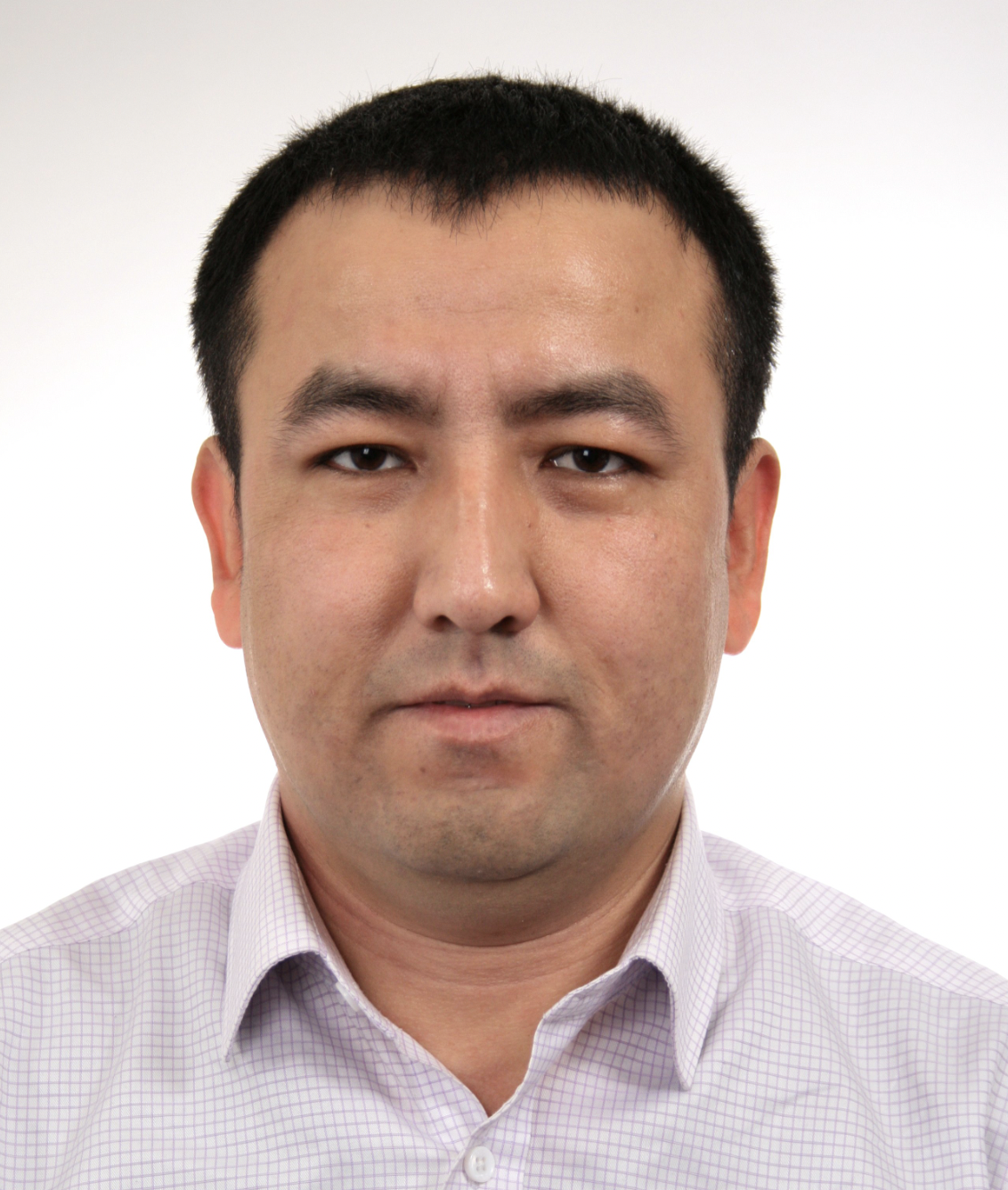
In the ninth edition of DCZ TALKS, Prof. WANG Xiaoxi from Zhejiang University gave a lecture on the transformation of China’s food system and its implications. Drawing on his recent publications in Nature Food, Nature Sustainability, Food Policy, and JEEM, he presented a theoretical framework for potential transformation pathways and discussed trade-offs associated with different future scenarios.
Prof. Wang began by sharing research findings on the use of inorganic fertilizer in Chinese agriculture, highlighting differences between smallholder farmers and large-scale cooperatives. According to his findings, commercial farms and cooperatives use less fertilizer than smallholders, thereby supporting China’s goal of “zero growth in fertilizer” use. He also presented empirical evidence on the effects of ecological compensation mechanisms on agricultural water quality, noting how such mechanisms have encouraged cross-regional water quality monitoring.
A key element of the talk was the introduction of the China-tailored MAgPIE model—originally developed by the Potsdam Institute for Climate Impact Research (PIK)—which quantifies agricultural production and its environmental impacts. The MAgPIE-China model incorporates China-specific parameters such as fertilizer use, water quality compensation, and poverty alleviation policies. Prof. Wang also briefly addressed the potential benefits of dietary transformation in China.
In his concluding remarks, Prof. Wang emphasized the need for evidence-based policymaking that moves beyond a production-centered view of the agri-food system. He called for a more holistic approach that considers consumption, diets, health, social and environmental factors, and their interactions.
During the discussion, he addressed discrepancies in fertilizer use, suggesting they may stem from differing management practices, with smallholders potentially applying inorganic fertilizers less carefully. He also reflected on how trade-offs in Chinese agriculture must be managed to achieve optimal outcomes at minimal cost. On dietary patterns, he noted that healthy diets in China would continue to include both plant- and animal-based foods. He identified climate change and geopolitical tensions as potential risks for future food system transformation and argued that demographic decline does not automatically reduce the need for agricultural production.
The event drew around 40 online participants at its peak.