From 10 to 12 February 2026, Sino-German Agricultural Centre (DCZ) experts accompanied a Chinese delegation to BIOFACH – the world’s leading trade fair for organic food in Nuremberg – and organized a dedicated program, including a field visit, to strengthen trade relations between Germany and China and to showcase German approaches to marketing organic products.
Germany boasts one of the largest organic markets worldwide. Organic products are widely integrated into mainstream retail, providing valuable reference points for China’s expanding organic sector. At the same time, both sides share a strategic interest in deepening bilateral trade in organic products despite regulatory and certification challenges. Against this backdrop, the DCZ-led delegation brought together researchers from leading Chinese agricultural universities, representatives from IFOAM Asia, retail and industry, certification bodies, as well as organic producers and processors to visit BIOFACH Nuremberg and exchange with German stakeholders along the entire value chain.
The visit was guided by the following questions:
How to build organic value chains from farm to fork?
How to ensure organic products actually reach consumers?
How to organize branding, distribution, and retail channels effectively?
What role can farmer-led organic certification schemes play in promoting organic products and supporting farmer incomes?
Bilateral meeting with BMLEH confirms Germany’s commitment to expanding organic product exports
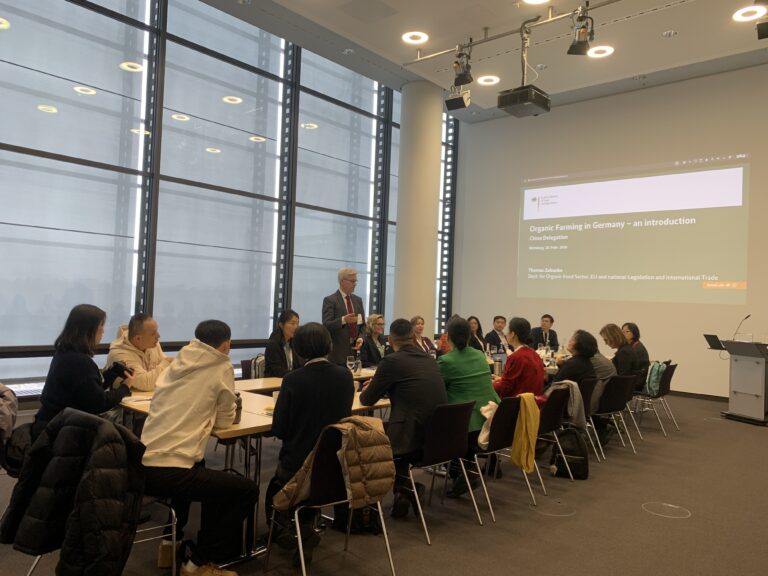
The DZC experts facilitated direct policy-level exchange between the Chinese delegates and representatives of the German Federal Ministry of Food, Agriculture and Regional Identity (BMLEH), the Federal Office for Agriculture and Food (BLE), and the Association of Organic Food Producers (AöL) on the current development of the organic markets in Germany and China, support instruments, export strategies and challenges related to certification and trade.
Thomas Zebunke from the Department for Organic Food Sector, EU and National Legislation and International Trade at BMLEH highlighted that 2025 marked a strong recovery year for Germany’s organic sector, with consumer spending growing by around 10% after inflation-related setbacks. He emphasized that the new federal government would continue its organic strategy, while placing greater focus on strengthening trade, improving farmers’ incomes, and reducing bureaucratic burdens. Germany’s organic market remains closely linked to international trade, with high import shares and export promotion gaining strategic importance.
Johanna Stumpner from AöL presented detailed trends in sales of organic products, noting that China is the second-largest import source for EU’s organic products. Oilseed, protein crops, coffee, tea, cocoa, fruits, nuts and spices dominate the import volume from China, with nuts and spices nearly doubling in 2024. Astrid Wachenfeld from BLE introduced the control system for organic products in Germany and procedures for third countries wishing to export to the EU. Since China is not a recognized equivalence country and has no bilateral organic trade agreement with the EU, all products from China need to be inspected and certified by an EU recognized control body.
QIAO Yuhui, professor at the China Agricultural University (CAU), underlined that diverse sales channels have improved producer-consumer connections, including organic segments on large online sales platform and organic private sale channels. Since the establishment of the Chinese Organic Certification System in 2002, China has consistently updated and refined its certification regulations to align with international standards and enhance credibility. Progress has been achieved in international cooperation on organic certification with Australia, Denmark, Finland, and New Zealand in 2024.
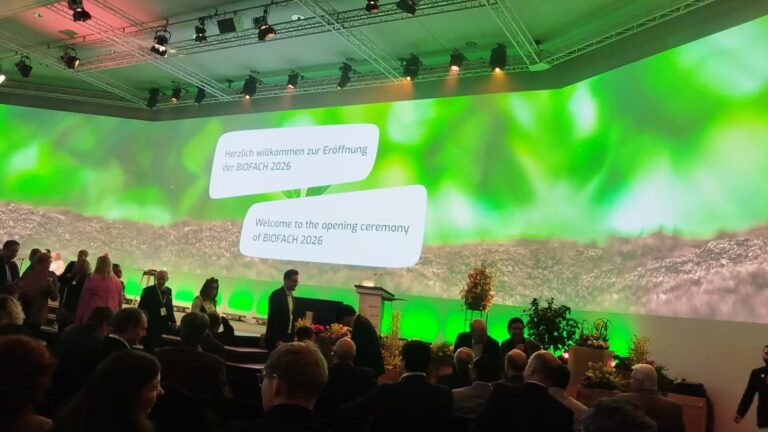
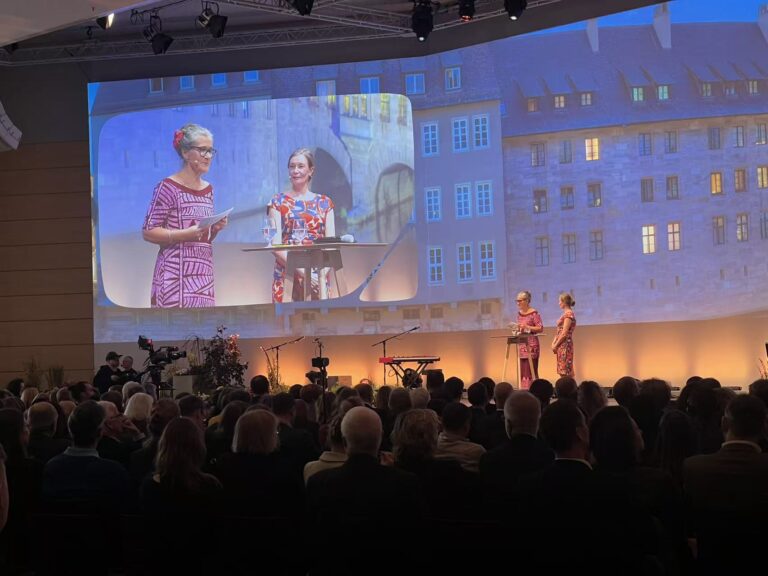
Opening ceremony at BIOFACH 2026
Opening ceremony at BIOFACH 2026
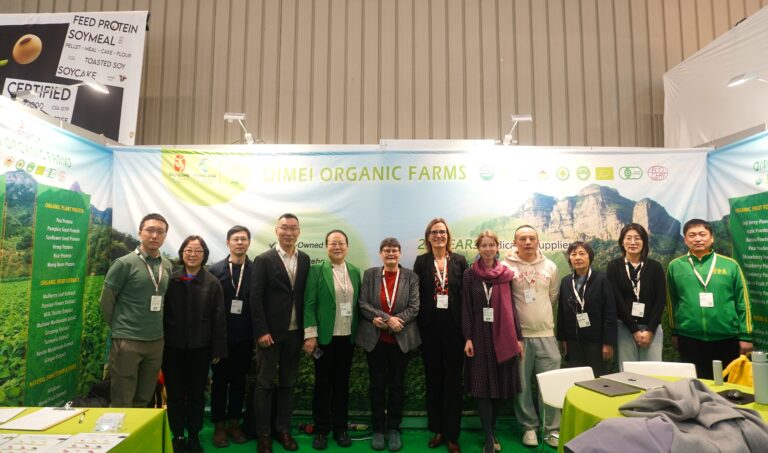
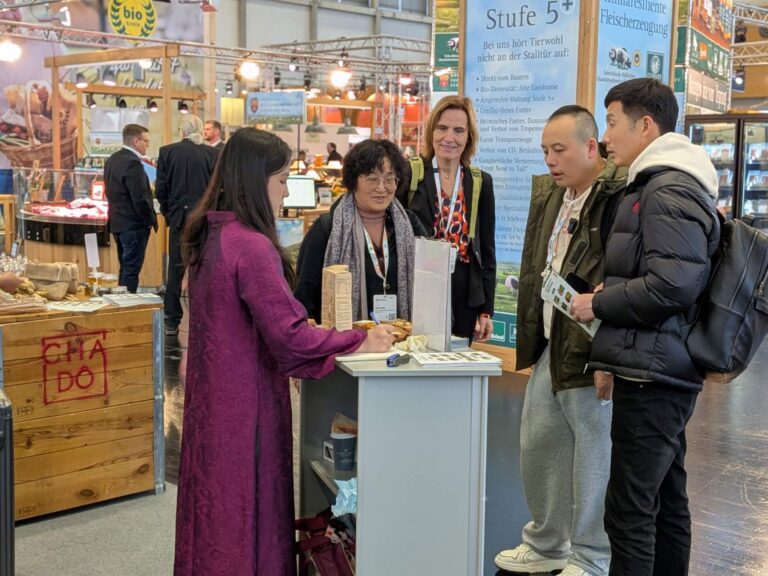
Qimei Company, one of the largest organic producers and retail companies in China’s Hebei Province, attends BIOFACH as part of the DCZ-led delegation
Chinese delegation meets representatives from BMLEH, BLE, and AöL
Chinese delegation visits partners and exhibitors at BIOFACH
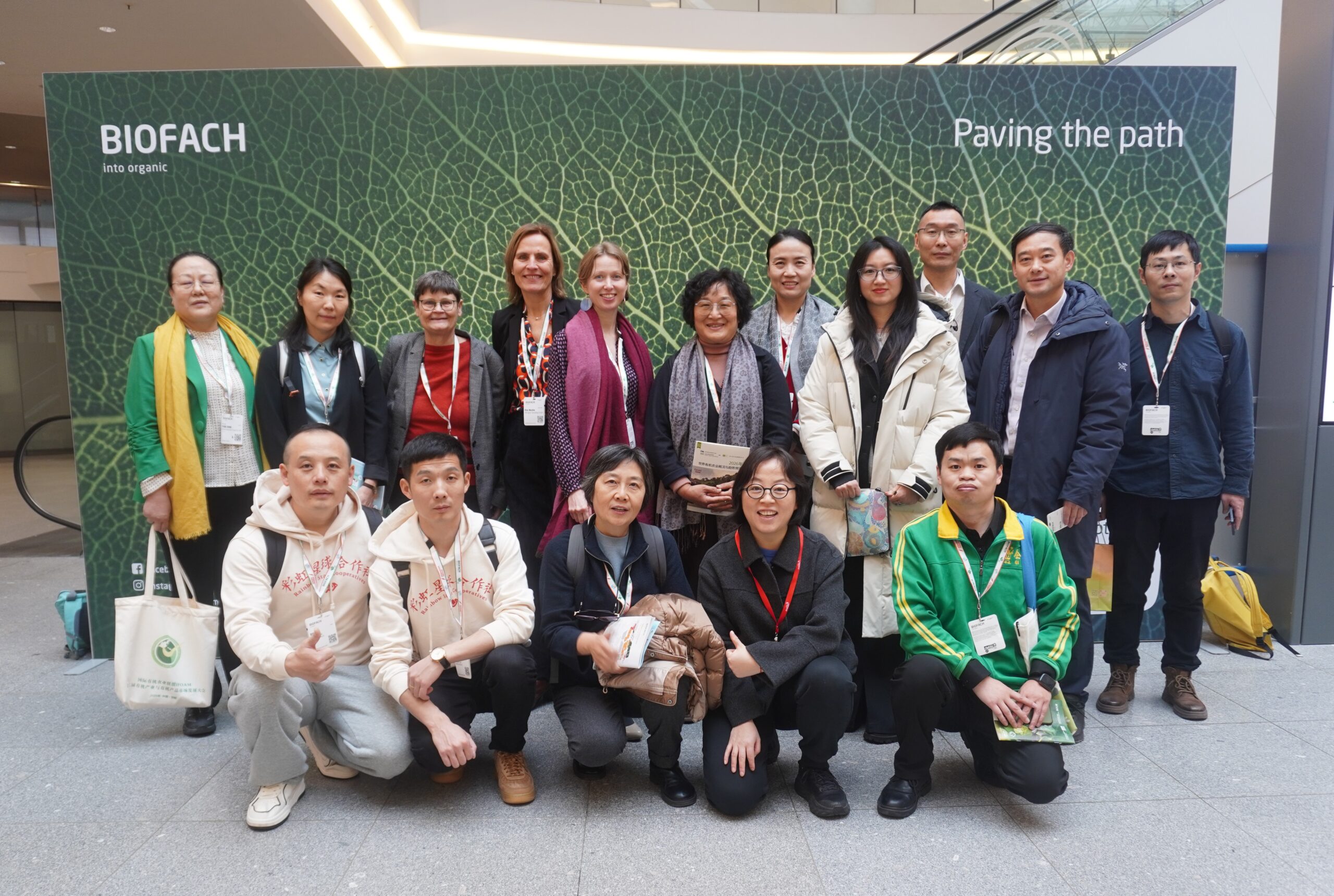
Chinese delegates and DCZ experts gather for a group photo
Naturland meeting highlights the role of certification bodies in building trusted brands
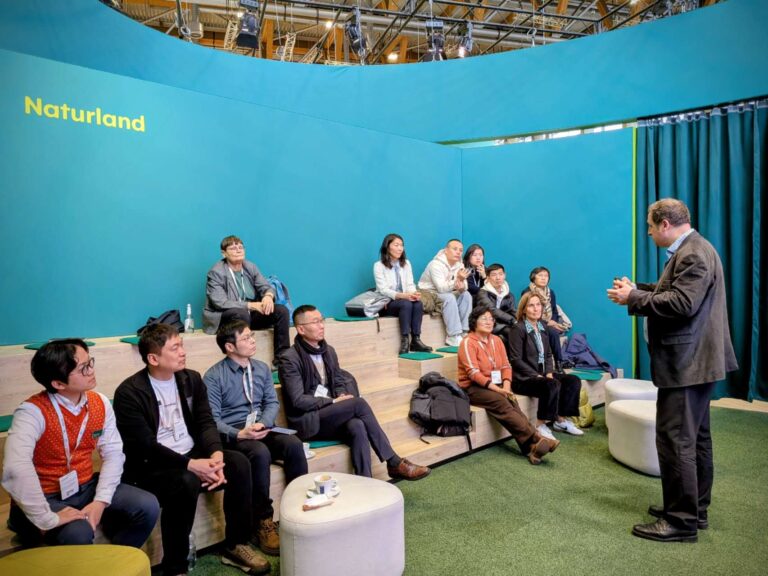
On 11 February, the Chinese delegates entered into discussion with Naturland, one of Germany’s largest organic farming associations and an internationally recognized organic certification body. Naturland has been actively engaged in the Chinese market in recent years, promoting EU organic standards and sustainable agricultural practices. Speakers included Marco Schlüter, Managing Director of Naturland, CHEN Te-Chun, International Development & Strategy Coordinator at Naturland, QIAO Yuhui from CAU; and WANG Wenhua, former Vice President of the China Chain Store & Franchise Association (CCFA). The discussion focused on Naturland’s organizational structure and governance model, as well as its approach of combining certification with brand development. From the Chinese side, insights were shared on current consumer trends in the organic market, the growing role of supermarkets, and the increasing importance of private labels.
For the Chinese delegation, the exchange highlighted that farmer associations can operate as more than certification bodies. The Naturland example illustrated how brand-building and close cooperation with retail partners can contribute to building consumer trust. These experiences offered potential lessons for developing stronger domestic organic brands in China.
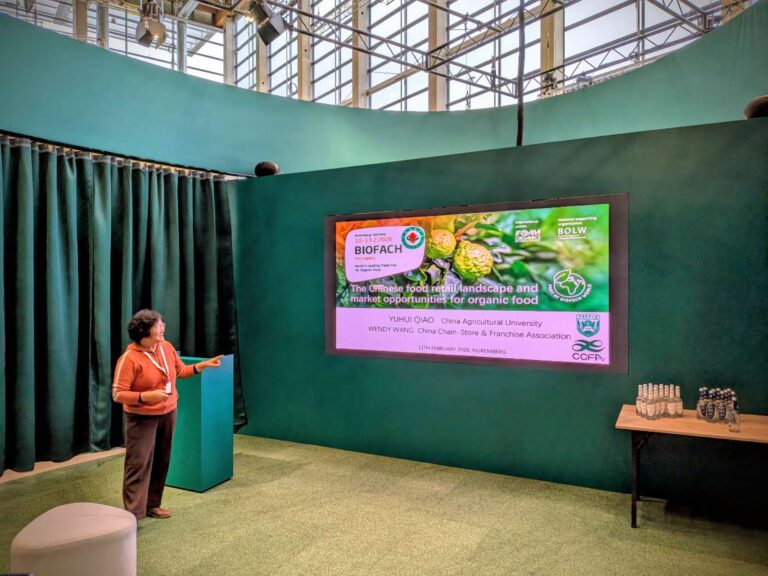
QIAO Yuhui presents consumer trends in China’s organic sector
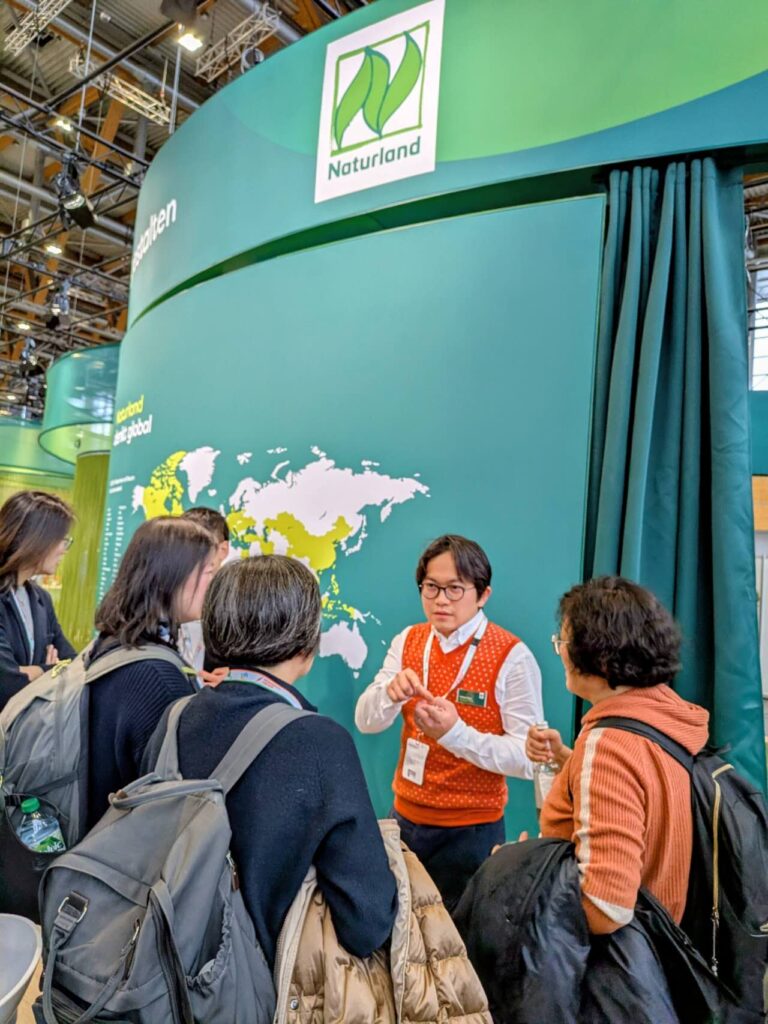
CHEN Te-Chun from Naturland discusses with Chinese delegates
Marco Schlüter from Naturland introduces the association’s governance model
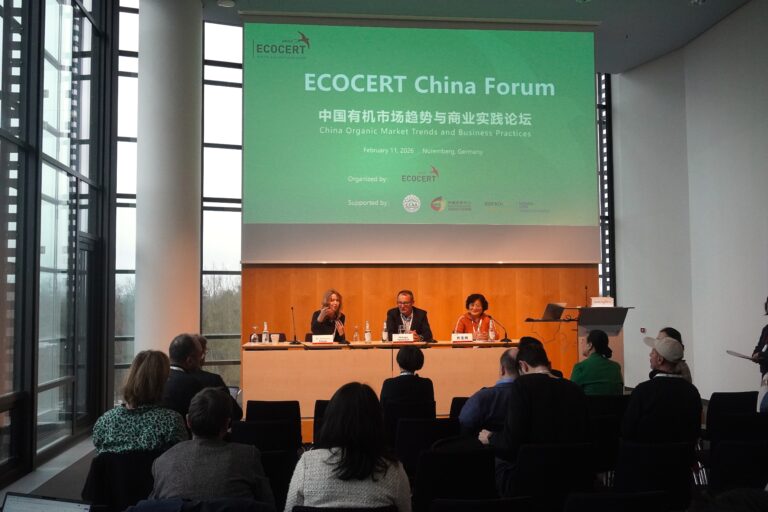
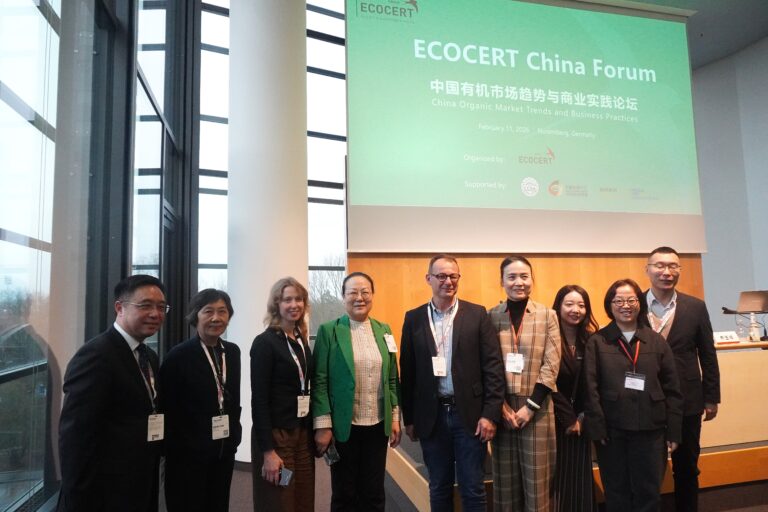
Ecocert China Forum focuses on opportunities for market entry in China
The Chinese delegation also participated in the Ecocert China Forum, organized by Ecocert China and co-hosted by DCZ, BIOFACH Shanghai, and the China Certification and Accreditation Association (CCAA). Ecocert China is the Chinese branch of Ecocert, an international certification body that inspects and certifies farms, processors, and products according to organic and sustainability standards, ensuring compliance with both domestic and international regulations.
The forum provided a platform for German and Chinese stakeholders to exchange prespectives on the rapidly evolving organic market in China, recent regulatory developments, and opportunities for foreign companies seeking market entry. Company CEOs such as ZHANG Youting from Beijing Organic and Beyond, ZHAO Yuqi from Hebei Qimei, and YUAN Liren from Lin’en Tea Company were among the speakers, alongside representatives from industry and certification organizations, including WANG Wenhua from CCFA, and GENG Yunxia from Ecocert China.
Key themes that emerged during the forum included significant opportunities for both domestic and international players, the critical importance of trust and certification credibility in building consumer confidence, evolving consumer expectations that demand transparency, quality, and sustainability, and the role of premium positioning and compelling storytelling in differentiating brands and capturing market share.
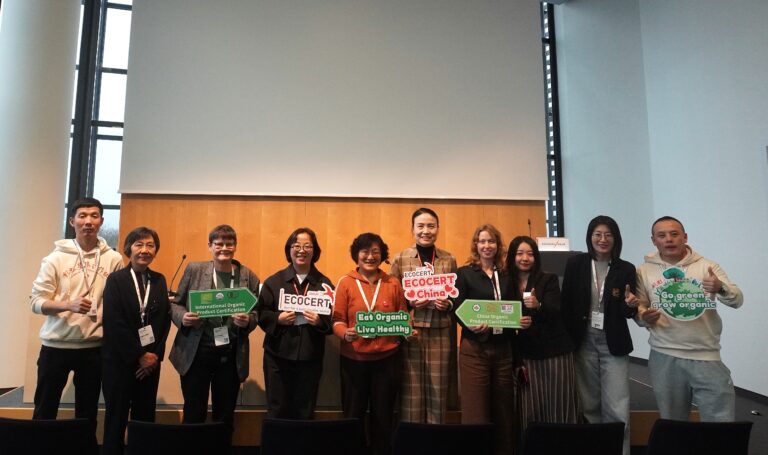
Ecocert China Forum speakers gather for a group picture
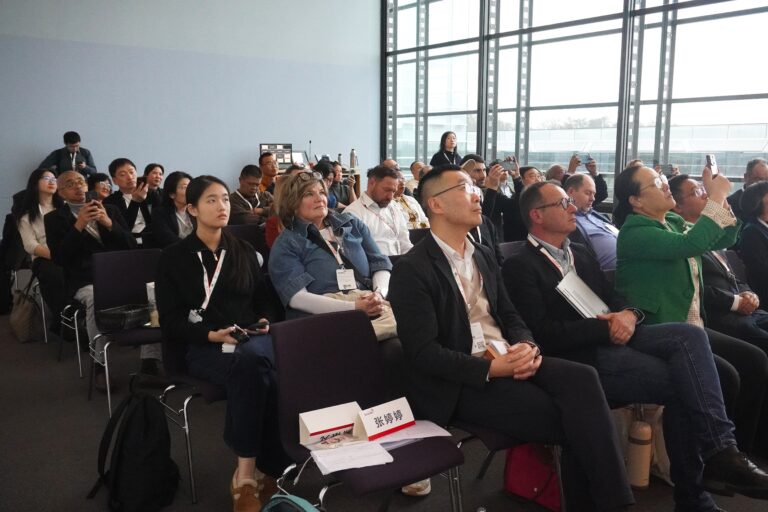
The audience follows the presentations on market opportunities in China
Ecocert China Forum speakers discuss trust and certification credibility
Ecocert China Forum speakers pose following productive exchange
Chinese delegation joins field visit to learn about the development of regional organic value chains
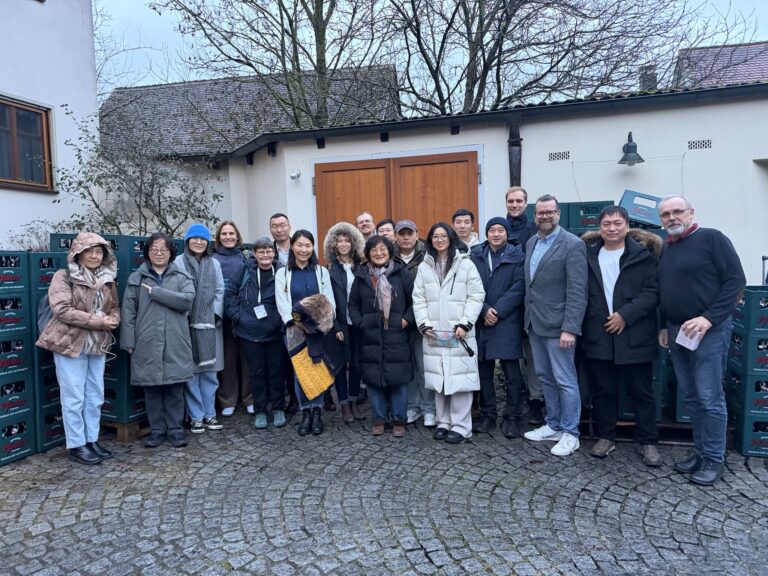
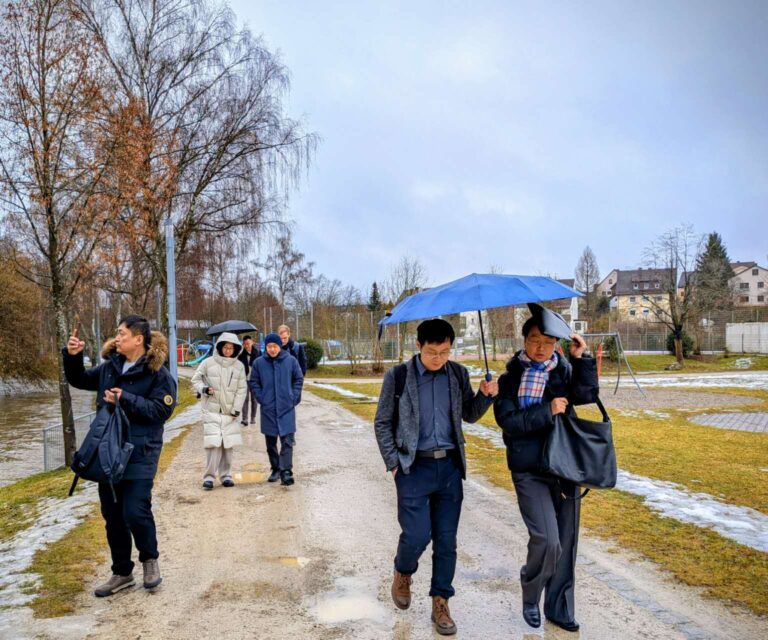
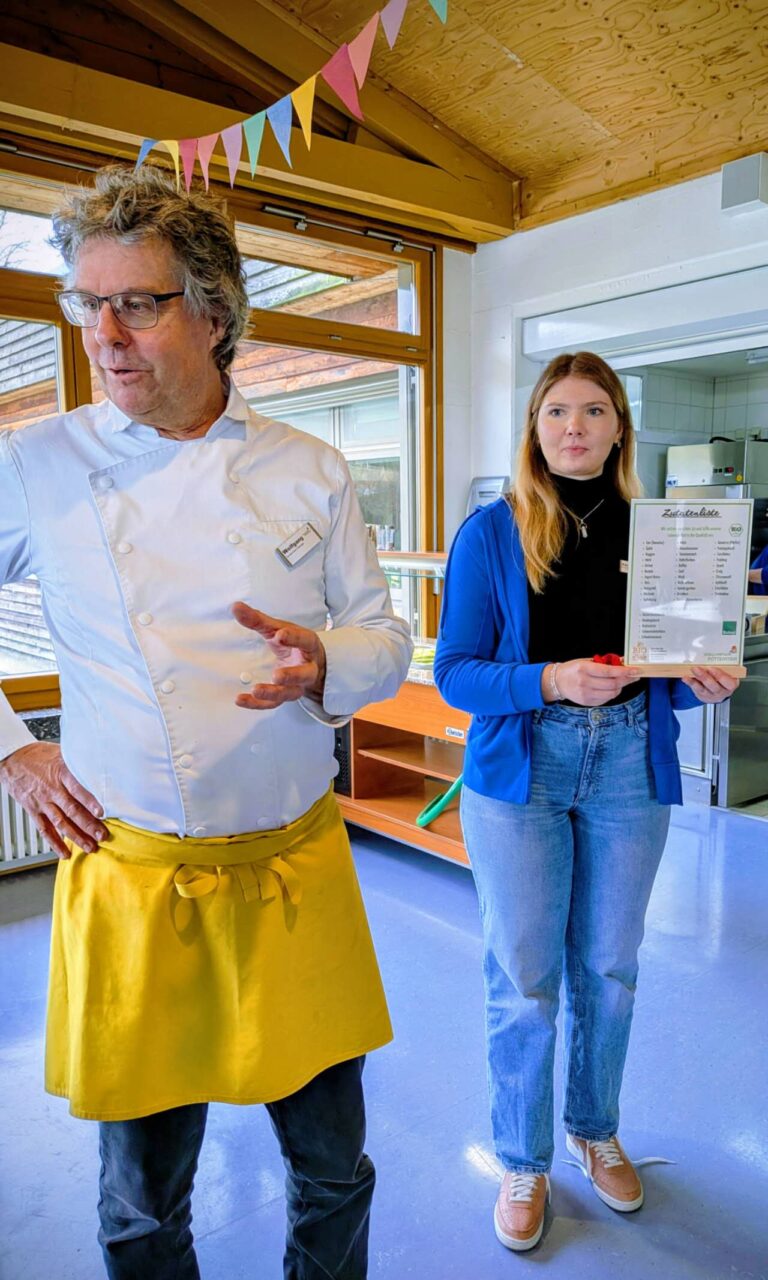
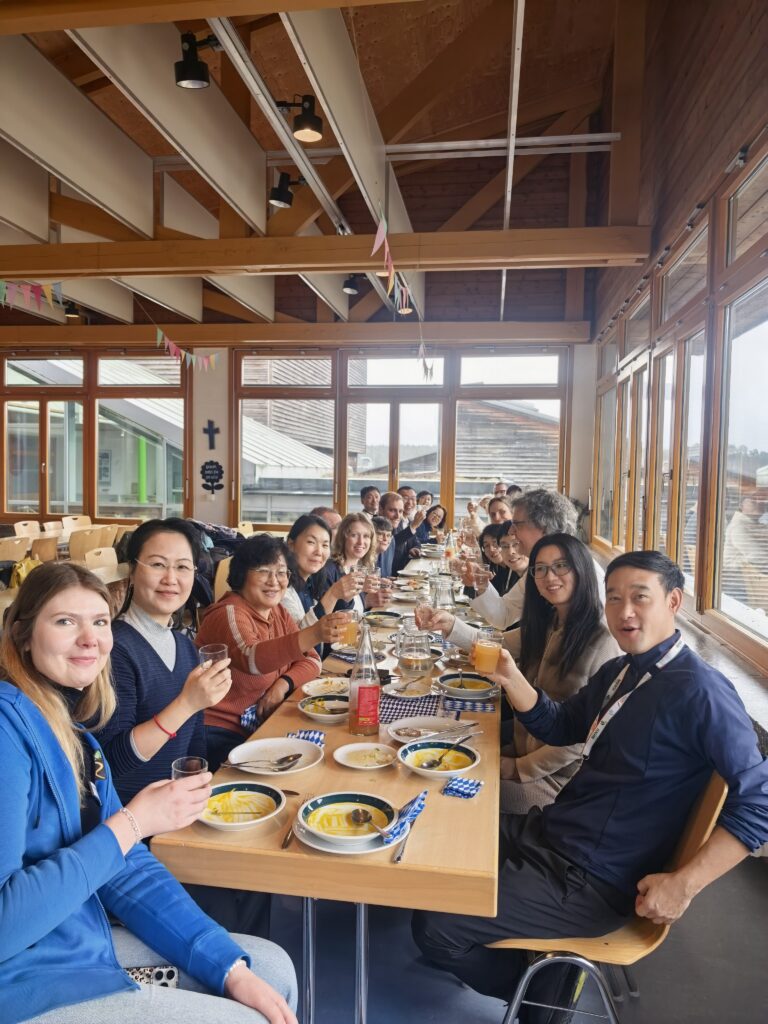
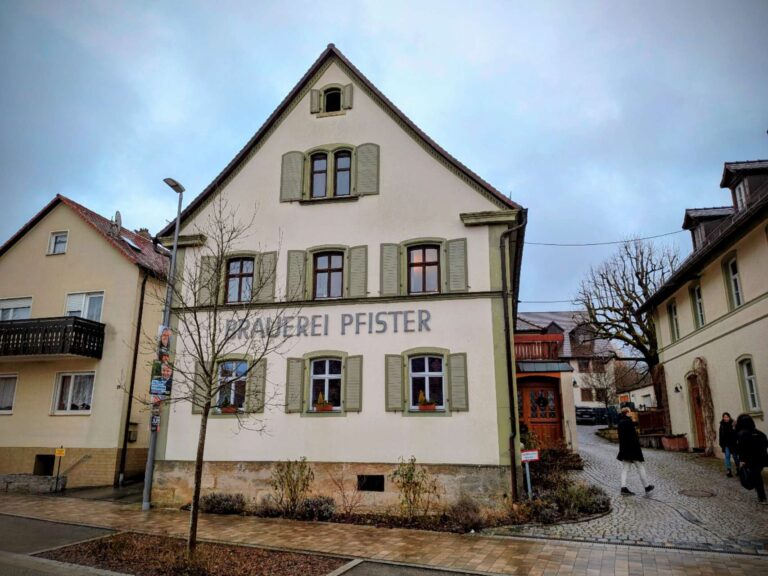
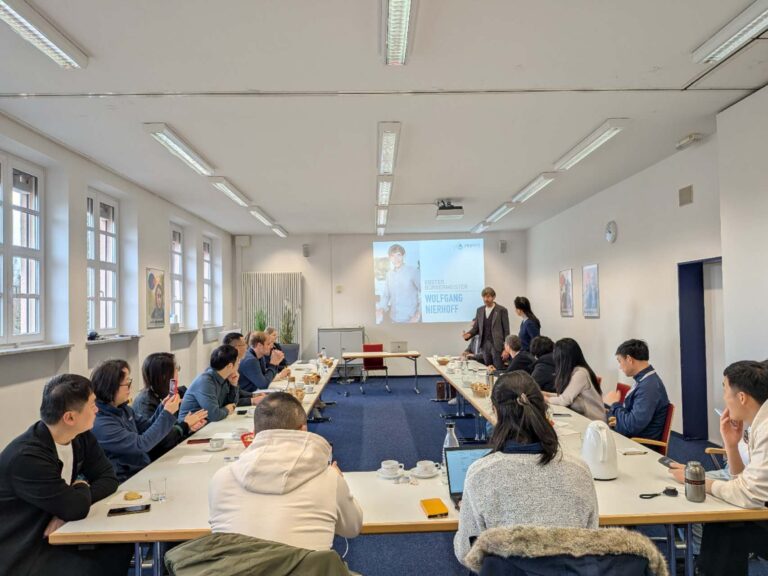
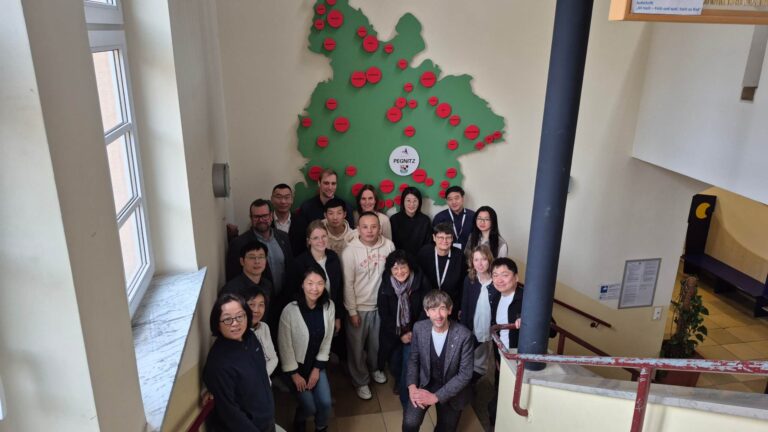
On the final day of the program, DCZ experts organized a field visit to the eco-model region of Franconian Switzerland, where the Chinese delegation explored how strong regional organic value chains are successfully developed and sustained. Michael Breitenfelder from Wirtschaftsband A9 Fränkische Schweiz e.V. and Laura Pircher from Eco-model region Franconian Switzerland shared insights into organic farming initiatives and the strategic coordination required to connect farmers, processors, retailers, and consumers. At a local organic food store in Pegnitz, the delegation discussed product assortment, regional sourcing, and consumer communication. During an organic lunch at School Camp Pottenstein, exchanges focused on integrating organic products into school catering and the role of public procurement as a policy tool to create stable demand. A visit to the organic-certified brewery Pfister highlighted long-term sourcing of organic ingredients, marketing and differentiation strategies, and the added value created through certification. In addition, the Bavarian State Research Centre for Agriculture (LfL) introduced its Competence Centre for Nutrition (KErn), operating under the Bavarian State Ministry of Food, Agriculture, Forestry and Tourism, and presented its work in strengthening sustainable regional food systems. The visit provided valuable insights into successful production models and offered impulses for advancing China’s Rural Revitalization Strategy through integrated, market-oriented, and environmentally sustainable approaches.
Chinese delegation visits the eco-model region Franconian Switzerland
Chinese delegation visits the eco-model region Franconian Switzerland
Staff at School Camp Pottenstein provides insights into regional sourcing of organic products
Delegation enjoys organic lunch at the School Camp in Pottenstein
Delegates visited the traditional Brewery Pfister to learn about processing of organic products and marketing
Mayor of Pegnitz offers insights into the eco-model region
Delegation gathers for a group picture
Key takeaways from the delegation visit:
High-level Sino-German exchange: The DCZ delegation at BIOFACH 2026 strengthened dialogue between Chinese and German stakeholders and offered insights into certification governance, regional value chains, and organic market development. On the German side, exchanges involved the German Federal Ministry of Food, Agriculture and Regional Identity (BMLEH) and the Federal Office for Agriculture and Food (BLE). On the Chinese side, key participants included experts from China Agricultural University, representatives of IFOAM Asia, leading organic producers and processors, as well as certification and retail sector representatives.
Certification and trust are key: Exchanges with Naturland and other stakeholders underscored the importance of credible certification systems and brand-building for consumer confidence and market access.
Effective value chains drive success: Eco-model regions, strong retail partnerships, and public procurement models offer practical lessons for scaling organic markets and supporting local value creation.