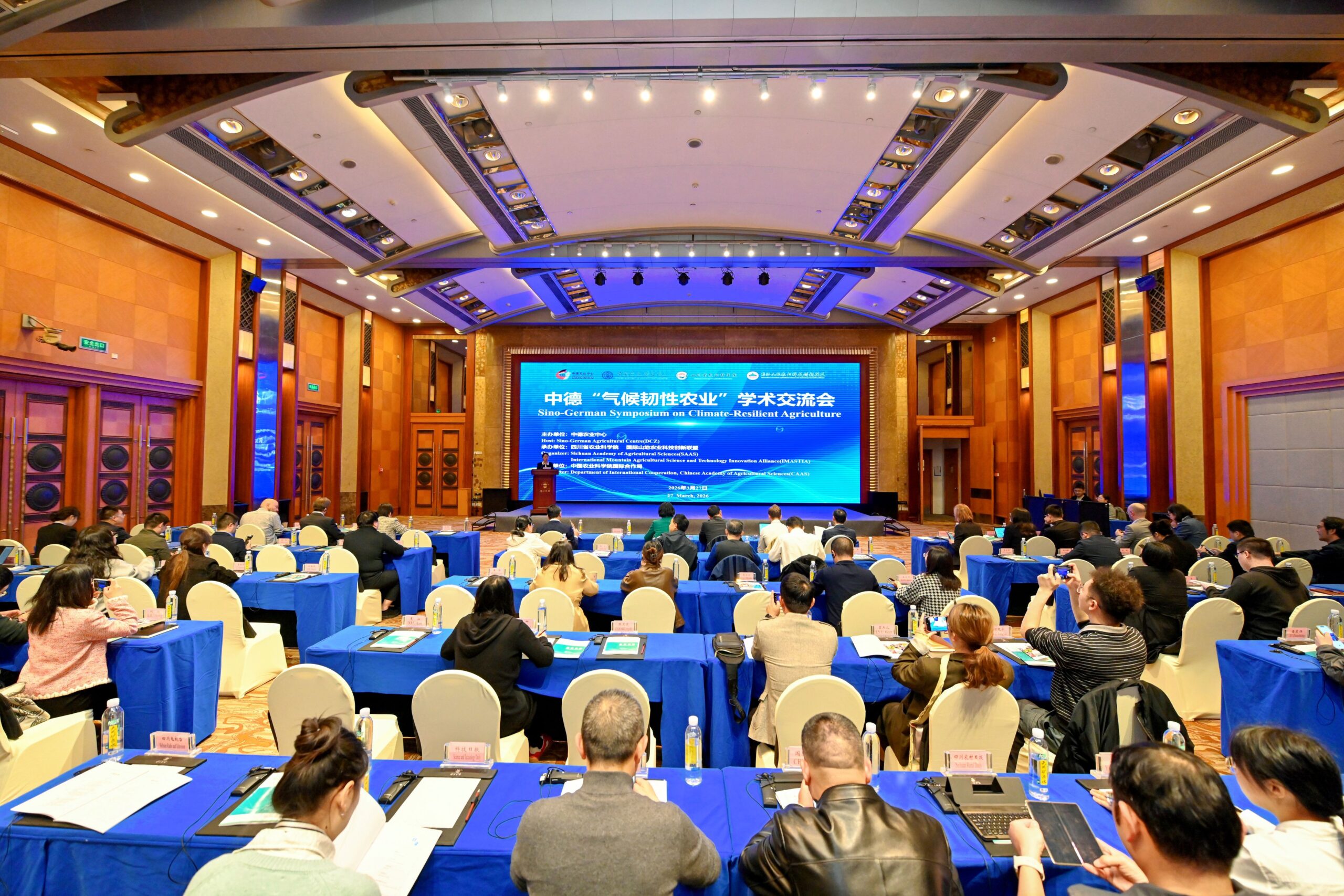
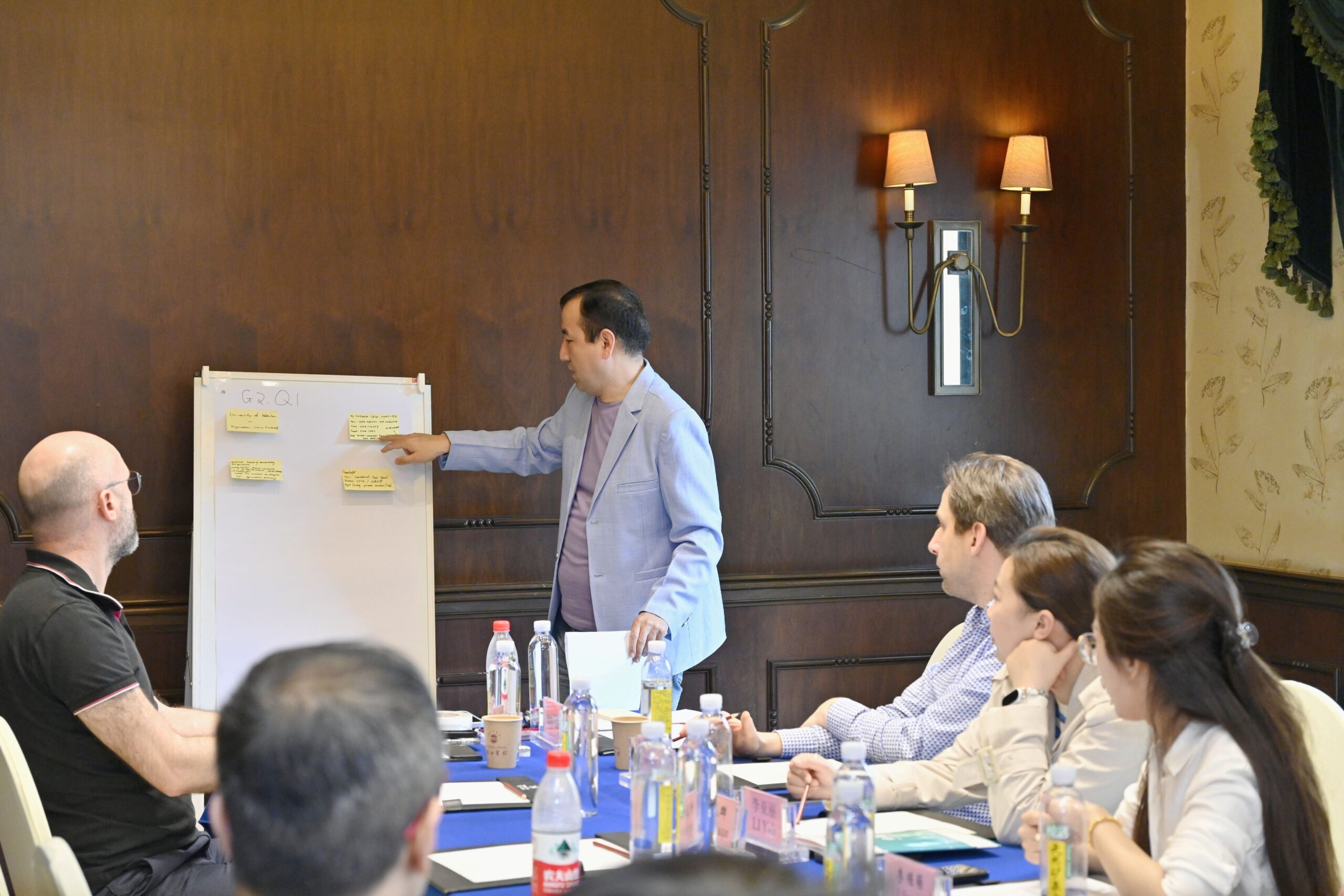
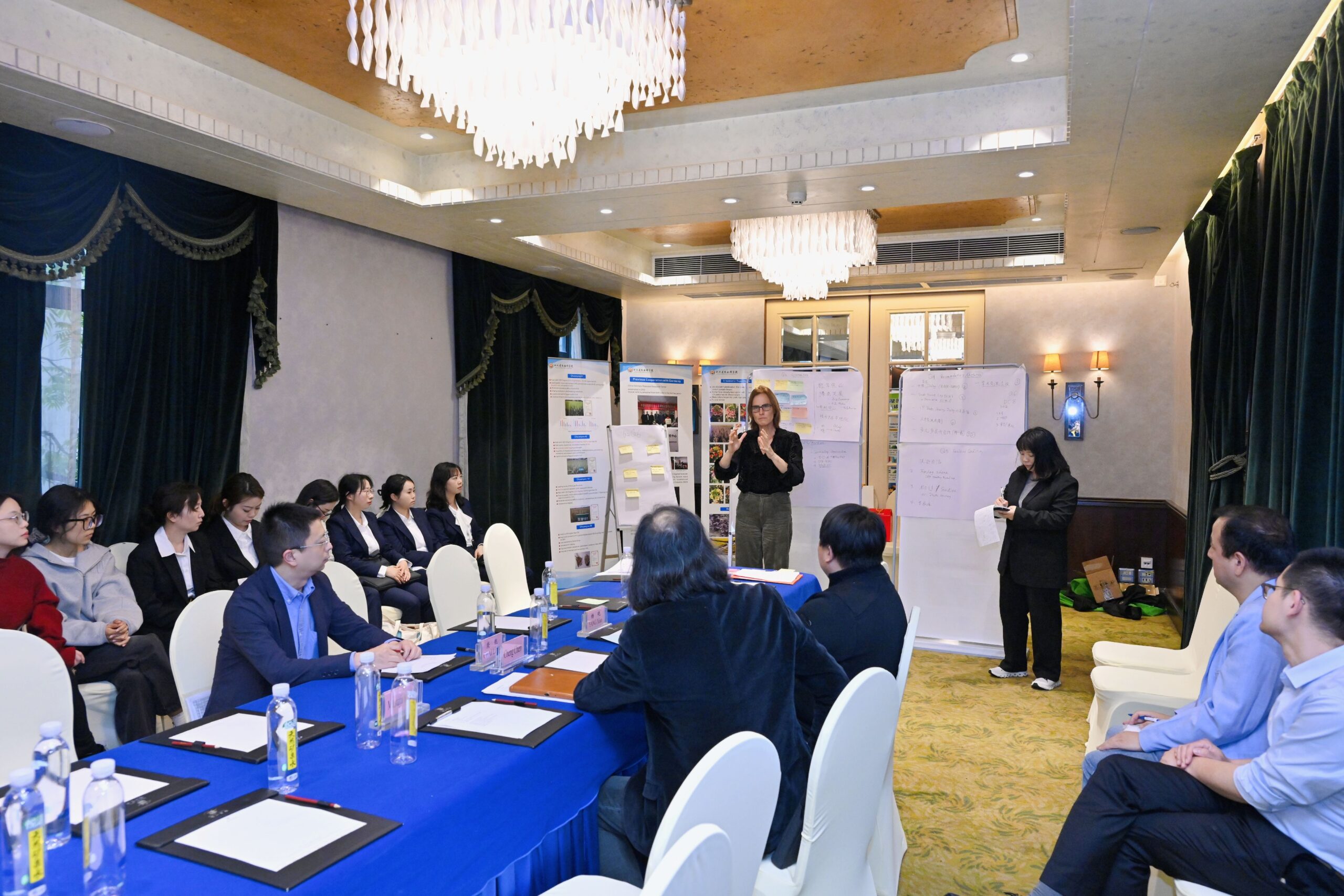
The Sino-German Agriculture Centre (DCZ), the Chinese Academy of Agricultural Sciences (CAAS), and the Sichuan Academy of Agricultural Sciences (SAAS) organized the Sino-German Symposium on Climate-Resilient Agriculture in Chengdu, Sichuan, from 27 to 28 March 2026. The event brought together researchers, policymakers, and practitioners from China and Germany to exchange on approaches to building more resilient and sustainable agricultural systems.
In their opening remarks, QIAN Yu (CAAS), LIU Yonghong (SAAS), Julian Lasinger (German Consulate General in Chengdu), and Rita Merkle (DCZ) highlighted the importance of international cooperation in addressing climate change, ensuring food security, and advancing agricultural transformation. Keynote presentations explored global challenges and practical pathways for strengthening resilience, including agricultural system transformation, climate risk management, and funding mechanisms for bilateral scientific cooperation.
Three thematic sessions focused on high-value crop breeding for climate-resilient agriculture, low-carbon and digital agriculture, and sustainability assessment of innovative farming systems. Discussions covered topics such as abiotic stress tolerance in crops, digital tools for climate-smart farming, agricultural data governance, and carbon reduction in agricultural production. Contributions also addressed regional challenges in Sichuan, including seasonal droughts and flooding, linking scientific research with local adaptation needs.
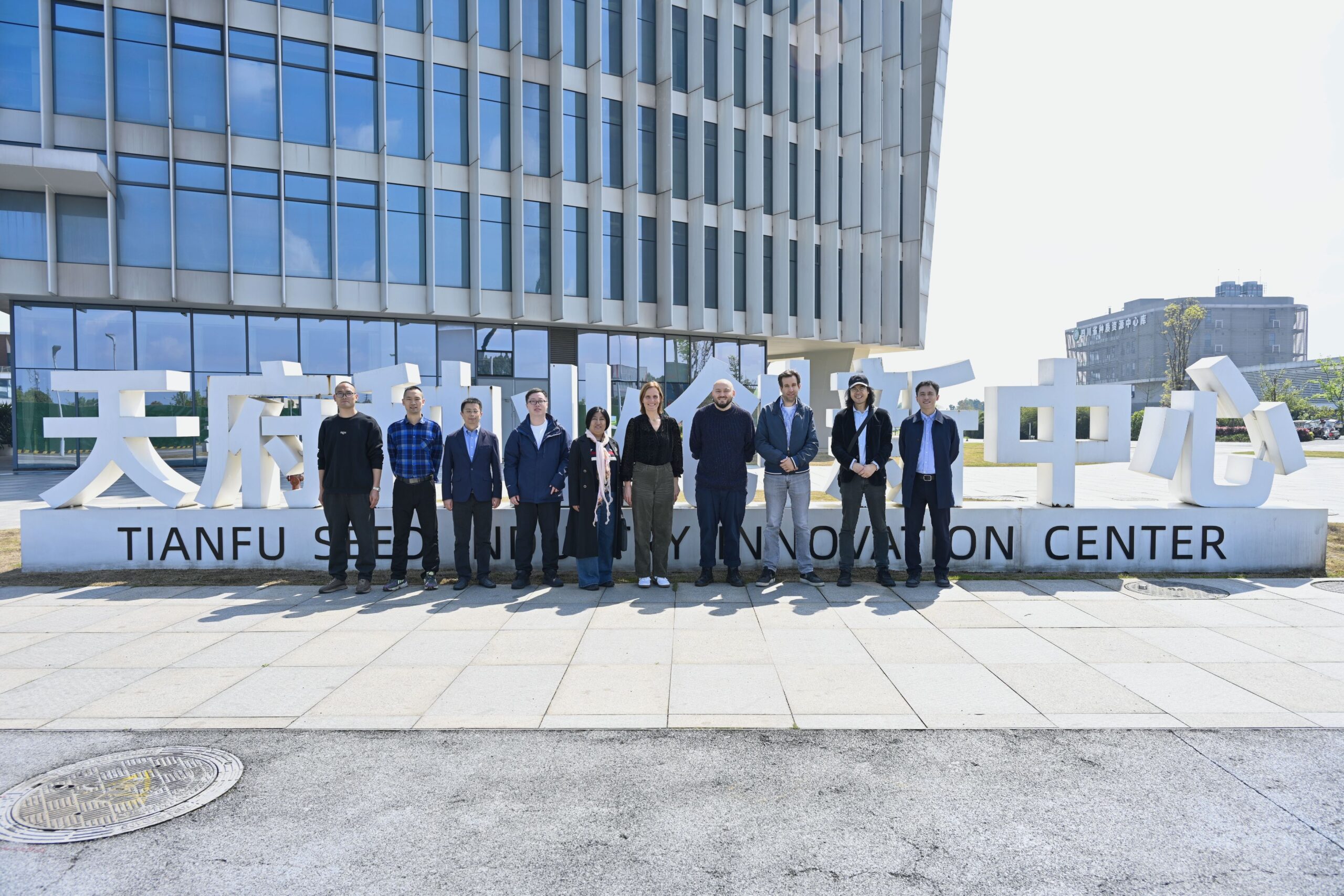
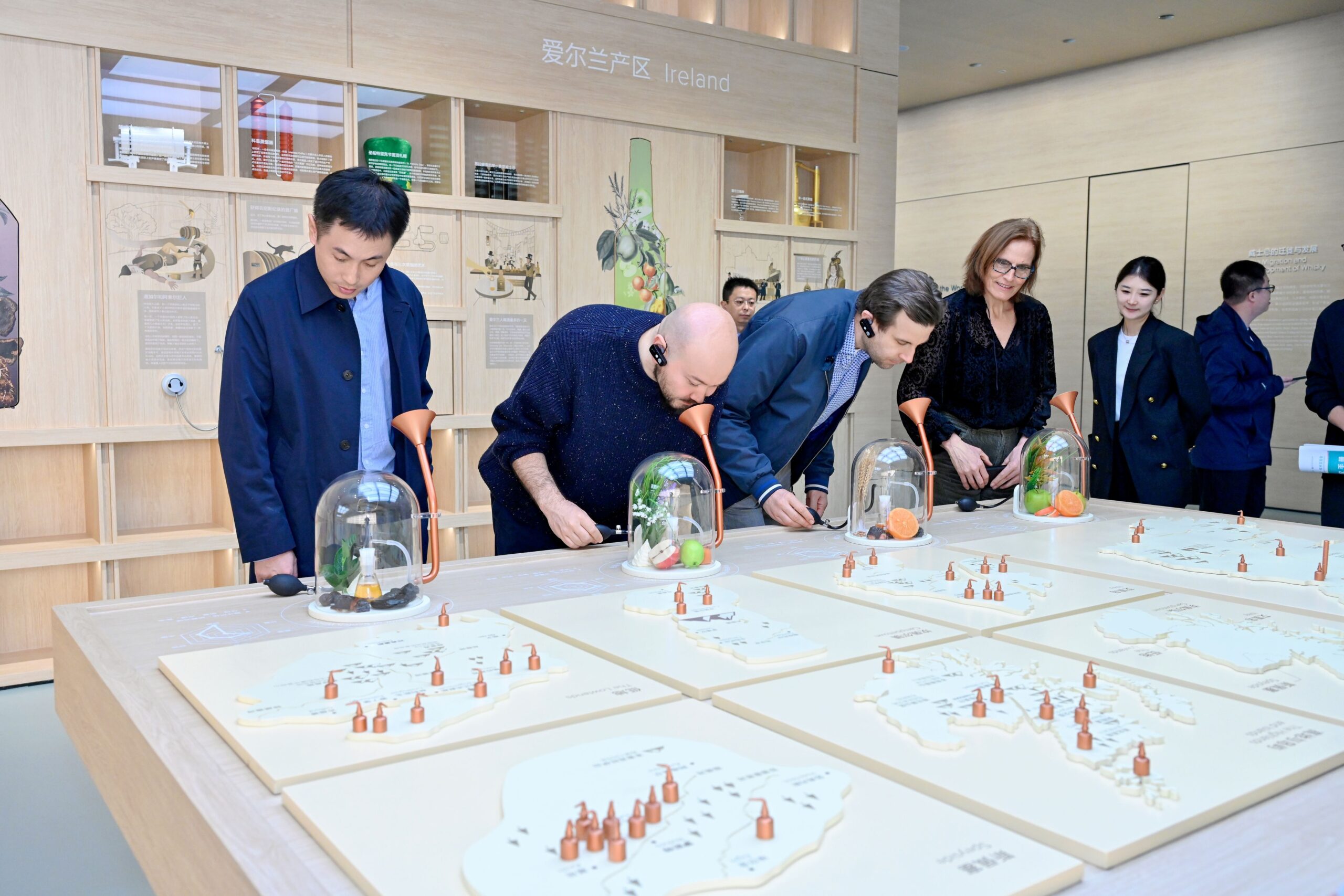
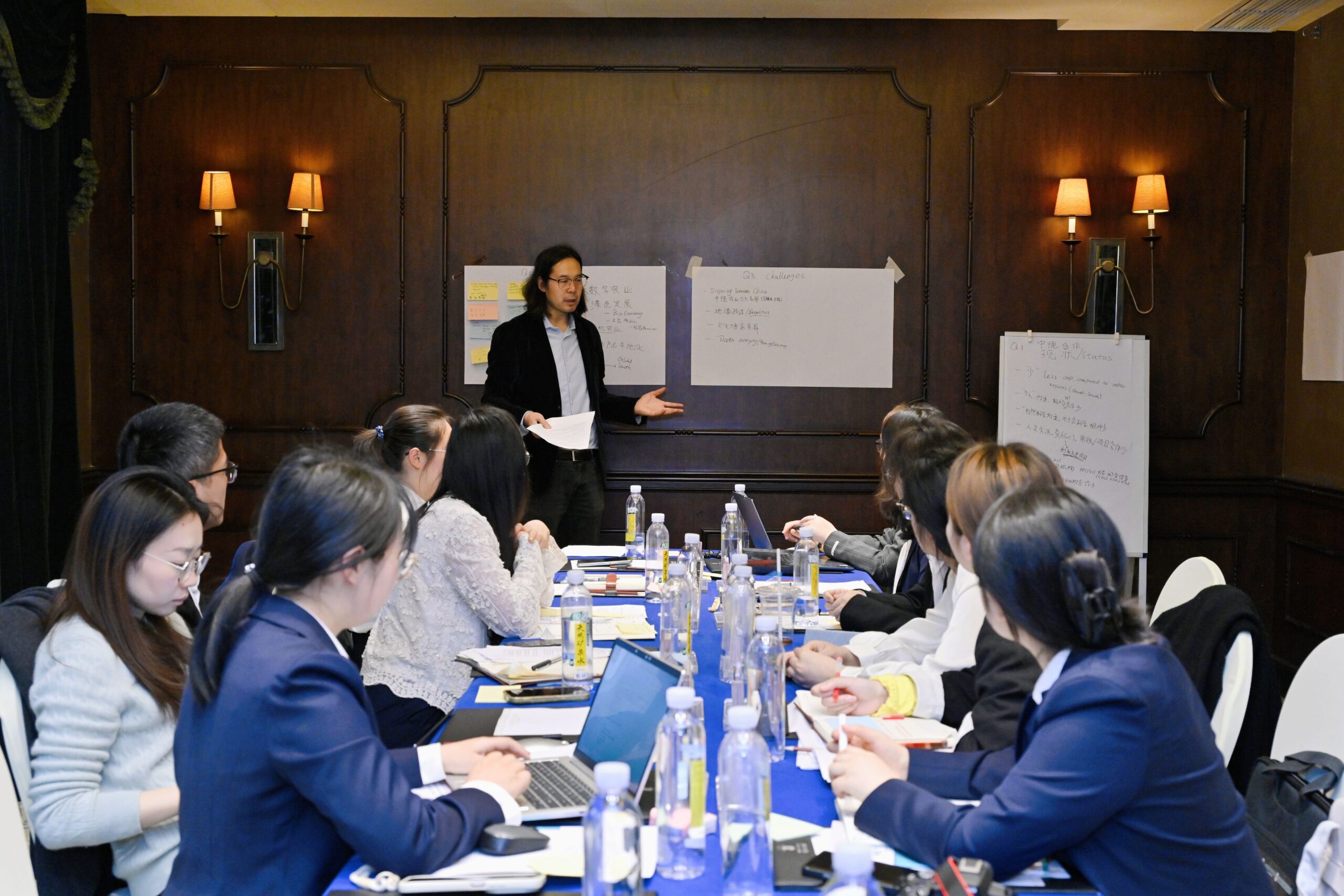
Field visits to the Tianfu Modern Seed Industry Park, Laizhou Whisky distillery, and Sichuan Dongyu Information Technology Co., Ltd. provided insights into seed innovation, sustainable production practices, and digital solutions in agriculture. Interactive group discussions identified priority areas and formats for future cooperation and outlined initial ideas for joint roadmaps in key fields, including resilient crop systems, digital agriculture, and sustainability evaluation.
The symposium strengthened Sino-German research exchange, fostered new partnerships, and generated concrete approaches for advancing cooperation on climate-resilient agriculture.