From 18 to 19 May 2026, the German Embassy Beijing, the Consulate General Chengdu, and the Sino-German Agricultural Centre (DCZ) organized an agribusiness delegation to Xinjin, Pujiang, and Meishan in Sichuan Province. The delegation focused on agri-food value chains, market development, and technological innovation in Southwest China.
The program brought together representatives from German companies and organizations active in China, covering sectors such as smart farming, animal nutrition, agricultural biotechnology, finance, and agricultural engineering. The delegation exchanged with local enterprises, policymakers, and industry stakeholders on opportunities for bilateral cooperation and sustainable agricultural development.
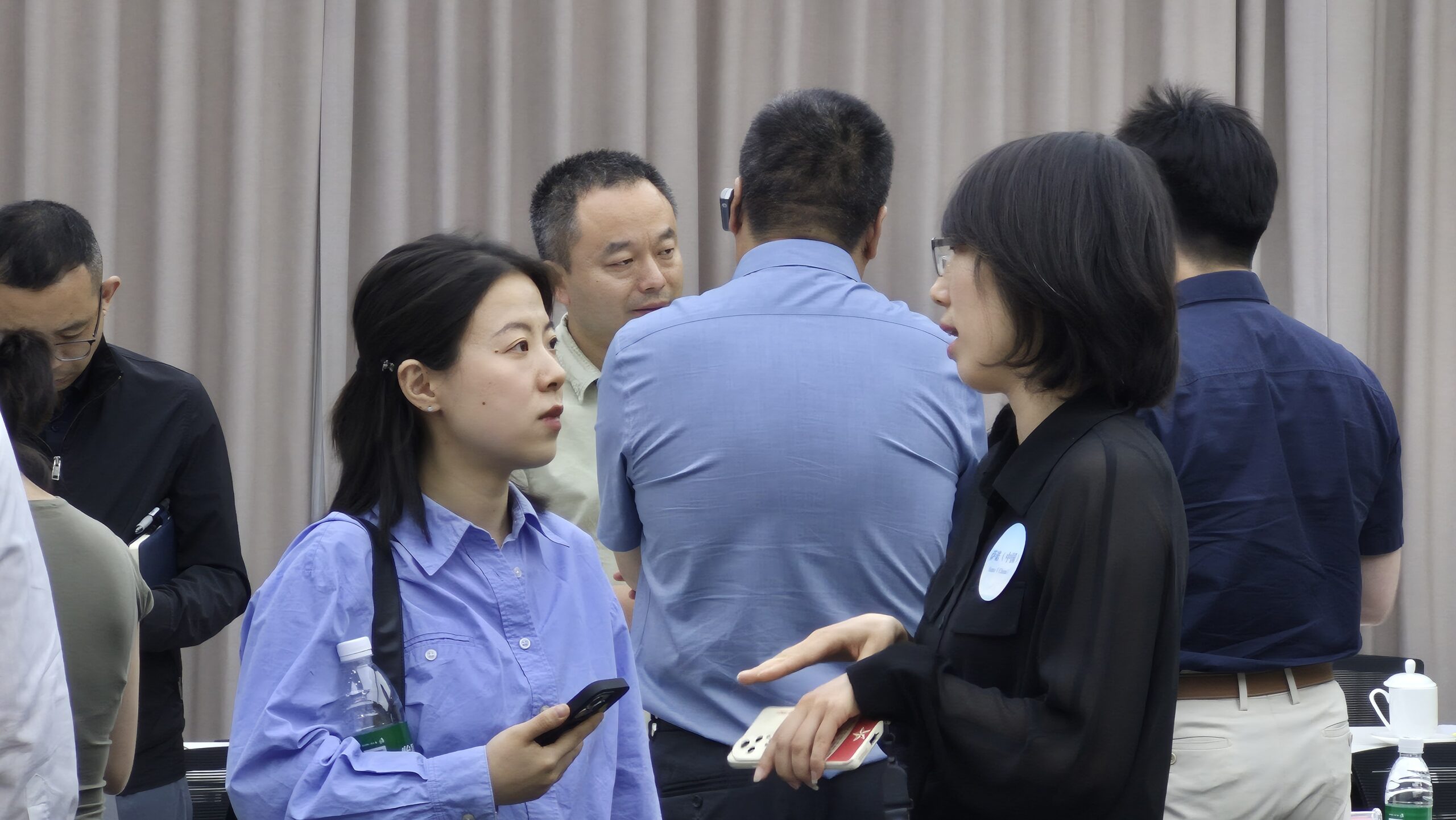
Key topics included smart farming and digital applications in livestock and crop production, integrated meat processing systems, feed production, green biotechnology, and ecological farming solutions. Matchmaking sessions with local enterprises in Xinjin District and Pujiang County created opportunities for targeted business exchange and future cooperation.
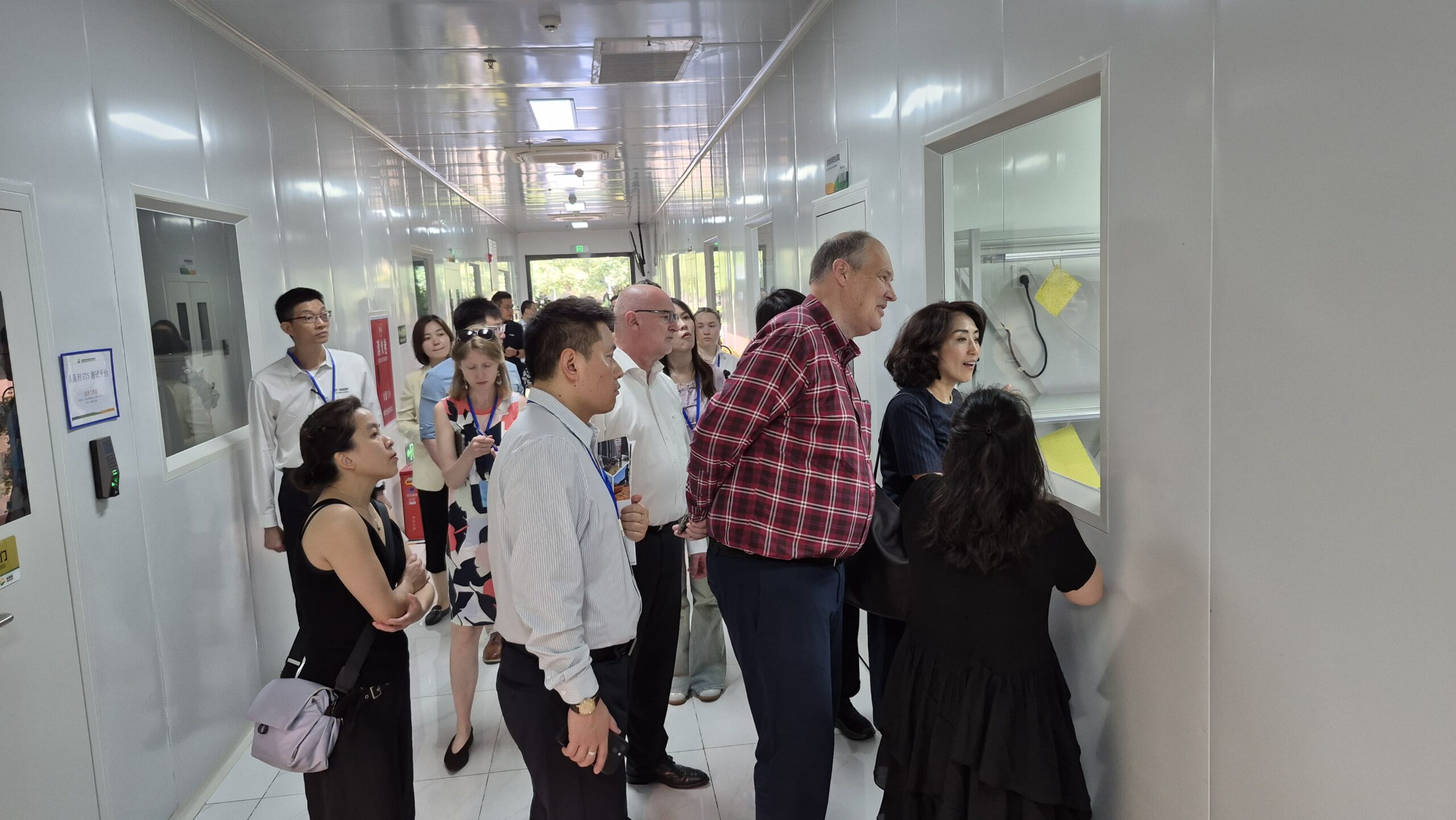
During the visits, the delegation gained insights into modern meat processing, intelligent poultry farming, feed production, crop science, and citrus value chains. At the Yujia Livestock Breeding Cooperative, participants explored a local producer of eggs and poultry. In addition to raising laying hens, the company develops and exports its own poultry housing and feeding systems and is committed to integrating smart, intelligent solutions that also improve animal welfare. Chengdu New Sun Crop Science Co., Ltd. presented developments in plant-based crop protection products and biological agricultural inputs for sustainable farming systems.
Several German companies contributed expertise in sustainable and technology-driven agriculture. BASF and trinamiX presented approaches in agricultural solutions, feed analysis, and digital technologies for livestock production and resource-efficient farming. Vogelsang introduced innovative manure management and low-emission slurry application systems supporting sustainable livestock production. Phytobiotics and SANO shared expertise in feed additives, animal health, and modern nutrition concepts for efficient livestock farming.
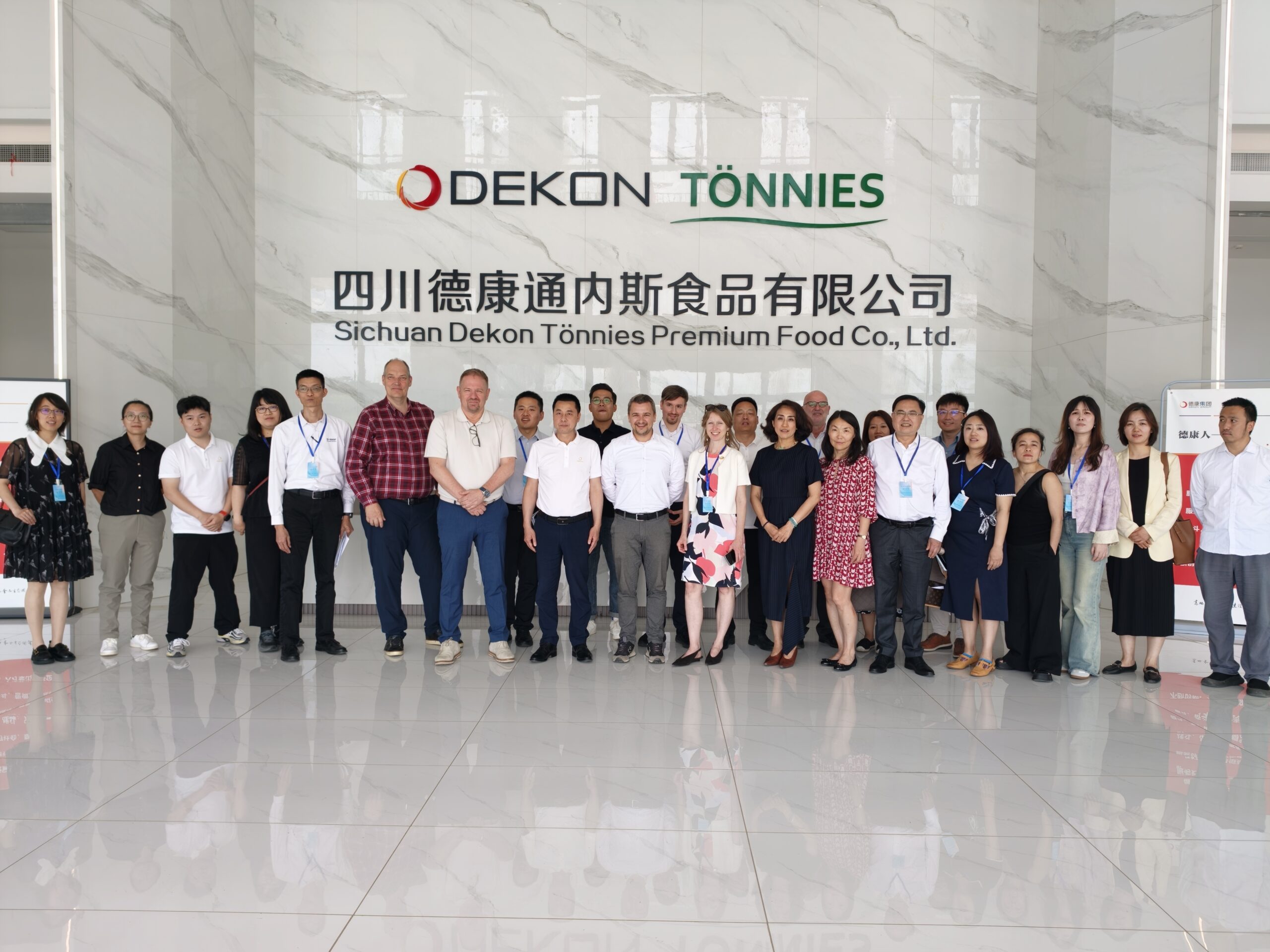
A particular highlight of the delegation was the visit to the Tönnies/Dekon High-End Meat Products Processing Project in Meishan. The joint venture between Germany’s Tönnies Group and China’s Dekon Group operates according to German production standards and European Union standards for slaughtering, processing, packaging, and cold-chain logistics. The project demonstrates how international cooperation can support high-quality and modern food production systems in China.
The exchange highlighted the growing importance of innovation and sustainability in China’s agricultural sector and demonstrated strong interest in expanding Sino-German cooperation across agri-food industries.