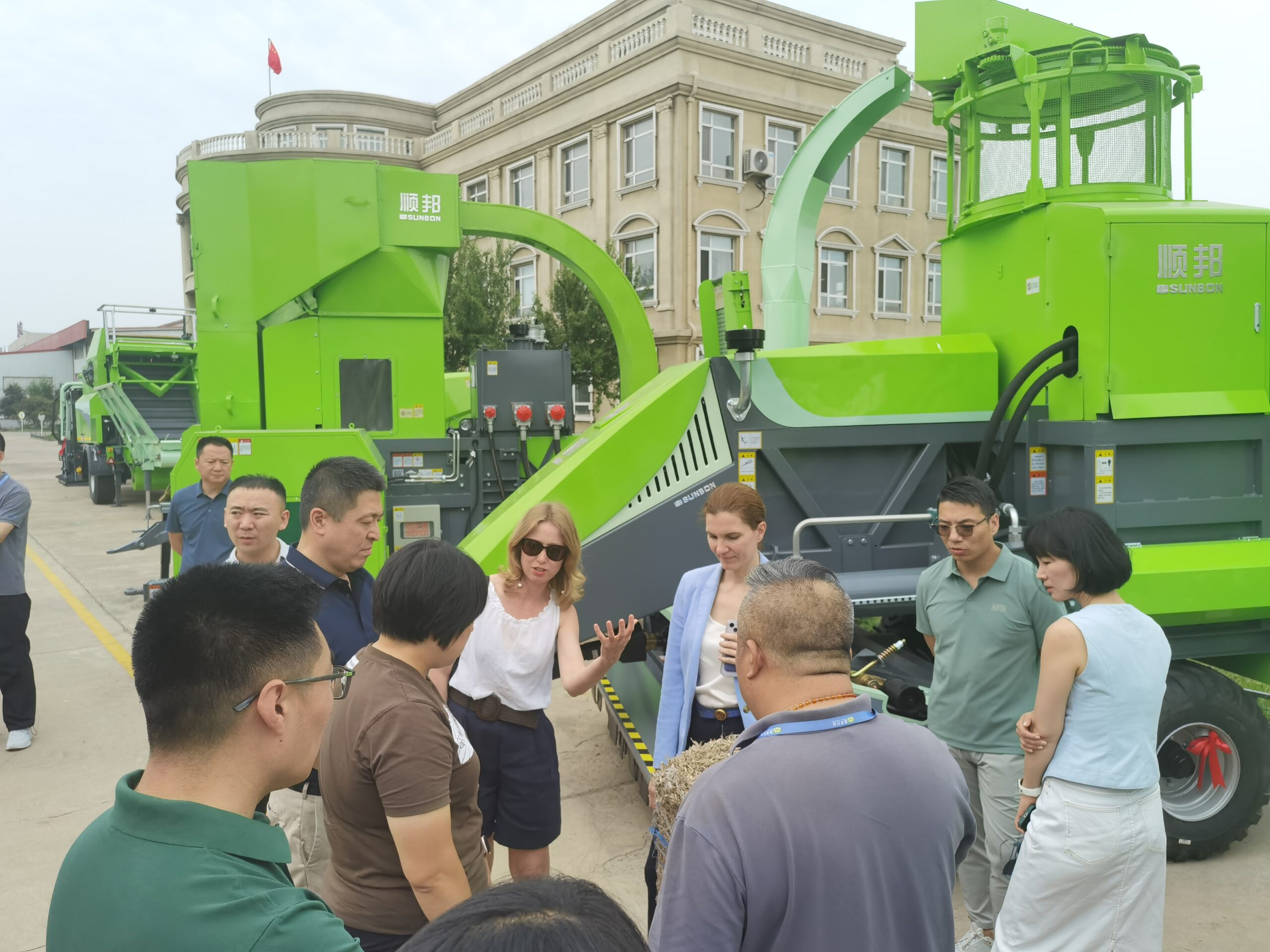
From 25 to 27 June, the Sino-German Agricultural Centre (DCZ) participated in a delegation trip to Jilin Province, organized by the German Consulate General in Shenyang and led by Consul General Hendrik Barkeling and Agribusiness Counselor Friederike Dörfler. The visit focused on sustainable agriculture, soil conservation, livestock farming, and smart agricultural machinery. DCZ Deputy Managing Director Michaela Böhme joined the delegation and moderated a panel discussion with representatives from the Jilin Academy of Agricultural Sciences and German agribusinesses.
Jilin's agricultural characteristics
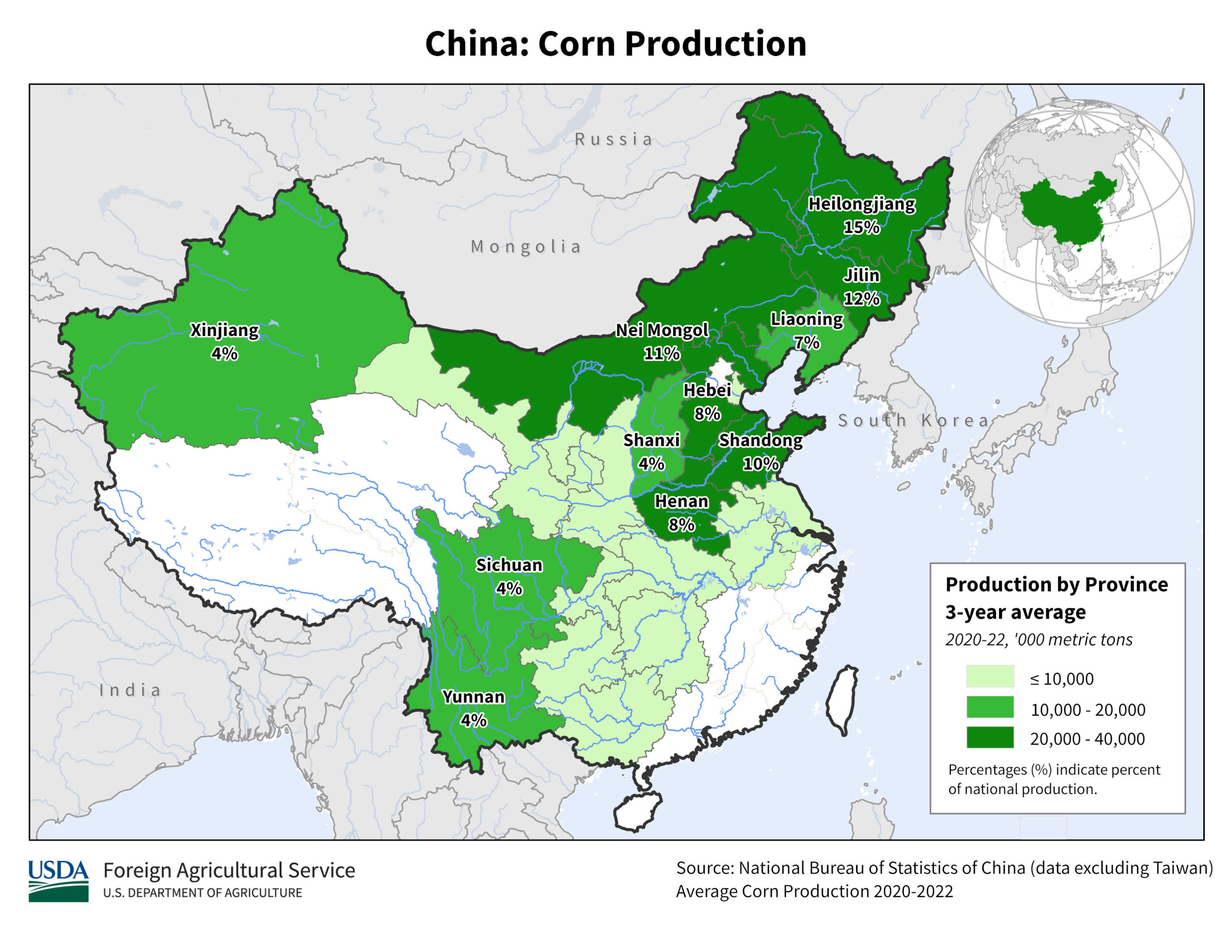
Jilin is one of China’s key agricultural provinces, accounting for 12% of the country’s corn and 3% of its rice production (USDA FAS, 2022). With its fertile black soil, abundant farmland, and water resources, the region offers strong potential for crop and livestock production as well as for specialty crop production such as ginseng. However, soil erosion, climate pressures, and a shrinking rural workforce pose long-term challenges. The delegation trip provided an opportunity for German and Chinese stakeholders to exchange ideas on sustainable and innovative approaches to agriculture in Jilin.
Exploring research and innovation
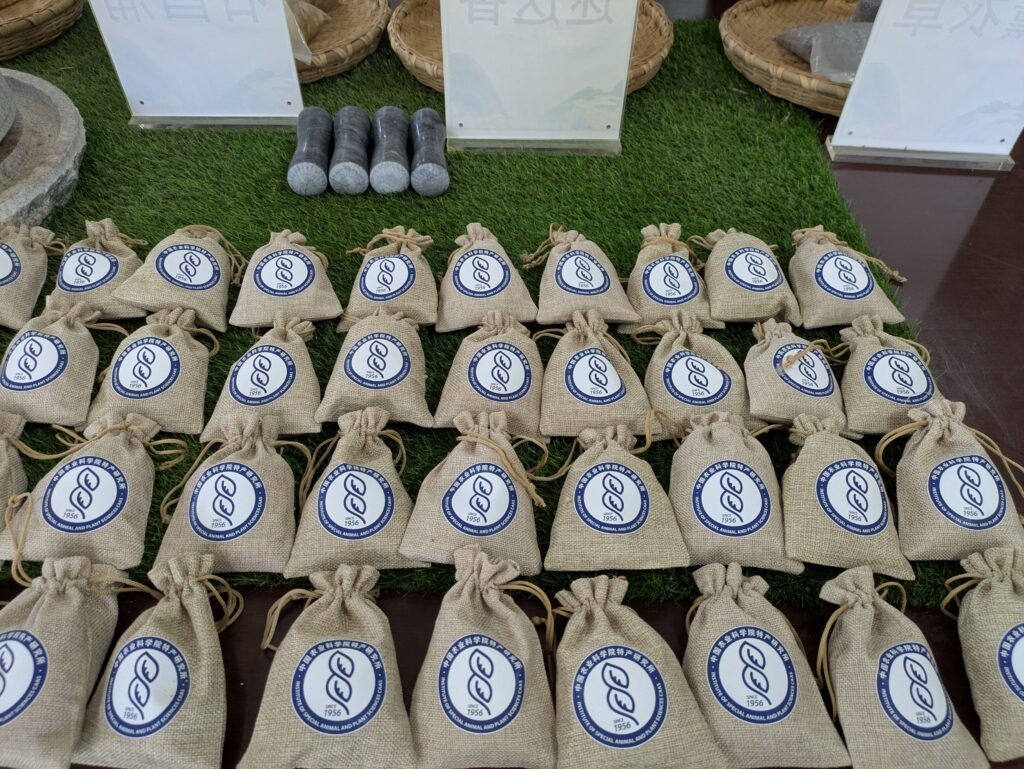
The program began with a networking lunch hosted by Consul General Barkeling, followed by a visit to the Institute of Special Animal and Plant Sciences in Zuojia, one of 34 institutes under the Chinese Academy of Agricultural Sciences (CAAS). Established in 1956, the institute specializes in the research and breeding of non-staple but economically significant species such as deer (for velvet antler), ginseng, and medicinal herbs. Notably, it has developed a proprietary high-yield deer breed for velvet production and is participating in China’s space-based breeding program—experimenting with ginger varieties grown on seed-breeding satellites.
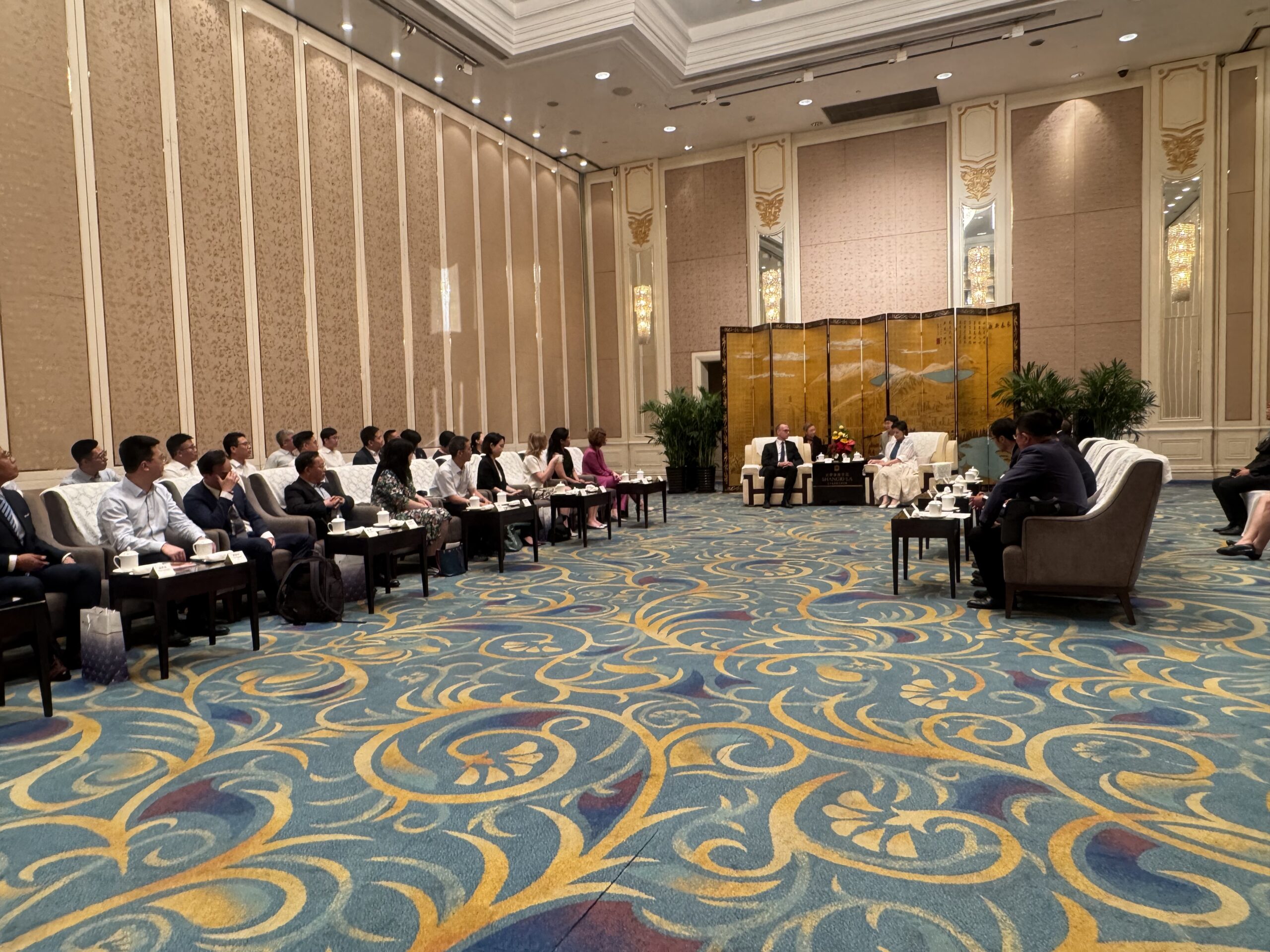
In the evening, the delegation met with Jilin City officials and toured the city, including a visit to the local ginseng museum.
Dairy farming and integrated rural development
The second day began with a visit to Chunguang Dairy, a local company operating six dairy farms with a total of 2,100 Holstein cows. Founded in 1982, Chunguang supplies milk to more than 20,000 consumers daily, including via direct-to-consumer models. While the Chinese dairy sector has long received government support due to its nutritional and economic importance, it currently faces challenges such as declining demand and high feed costs. Delegates discussed the need for improved breeding, feed efficiency, and technology upgrades to strengthen the sector’s competitiveness.
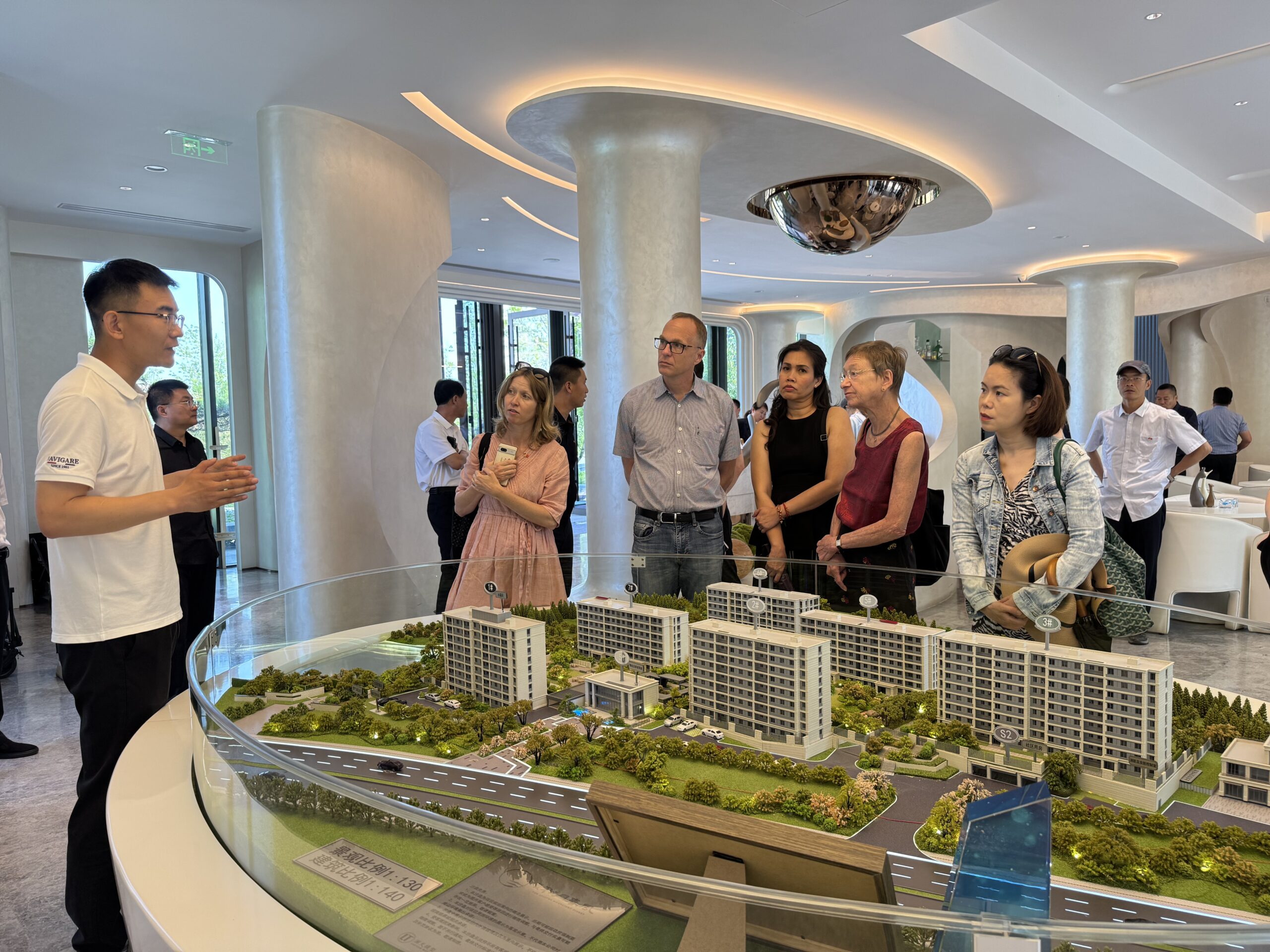
Further stops on the program highlighted different models of rural development. At Blue City Forest in Changchun’s Shuangyang District, participants saw how former rural homestead land is being transformed into recreational parks and holiday accommodations.
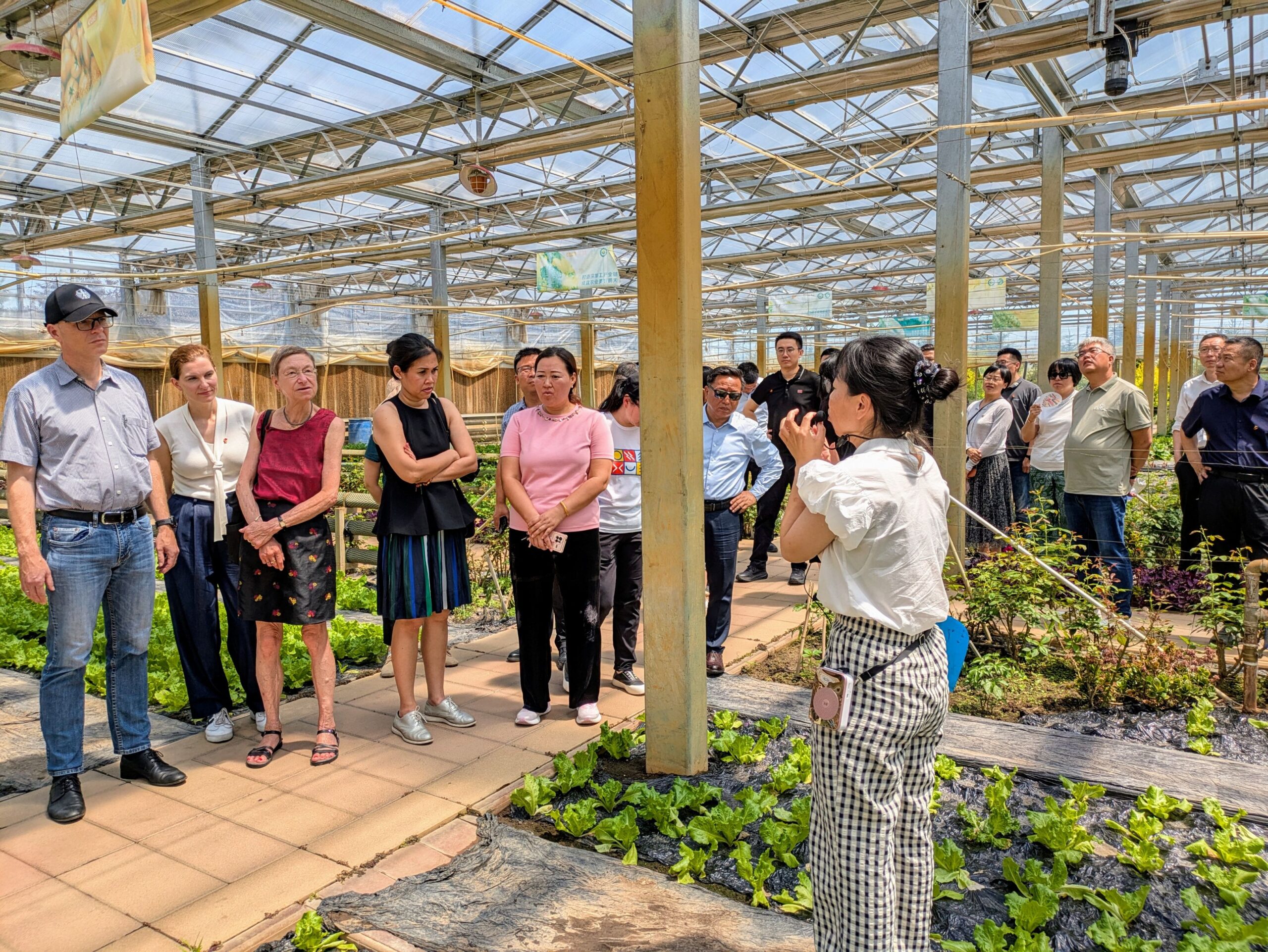
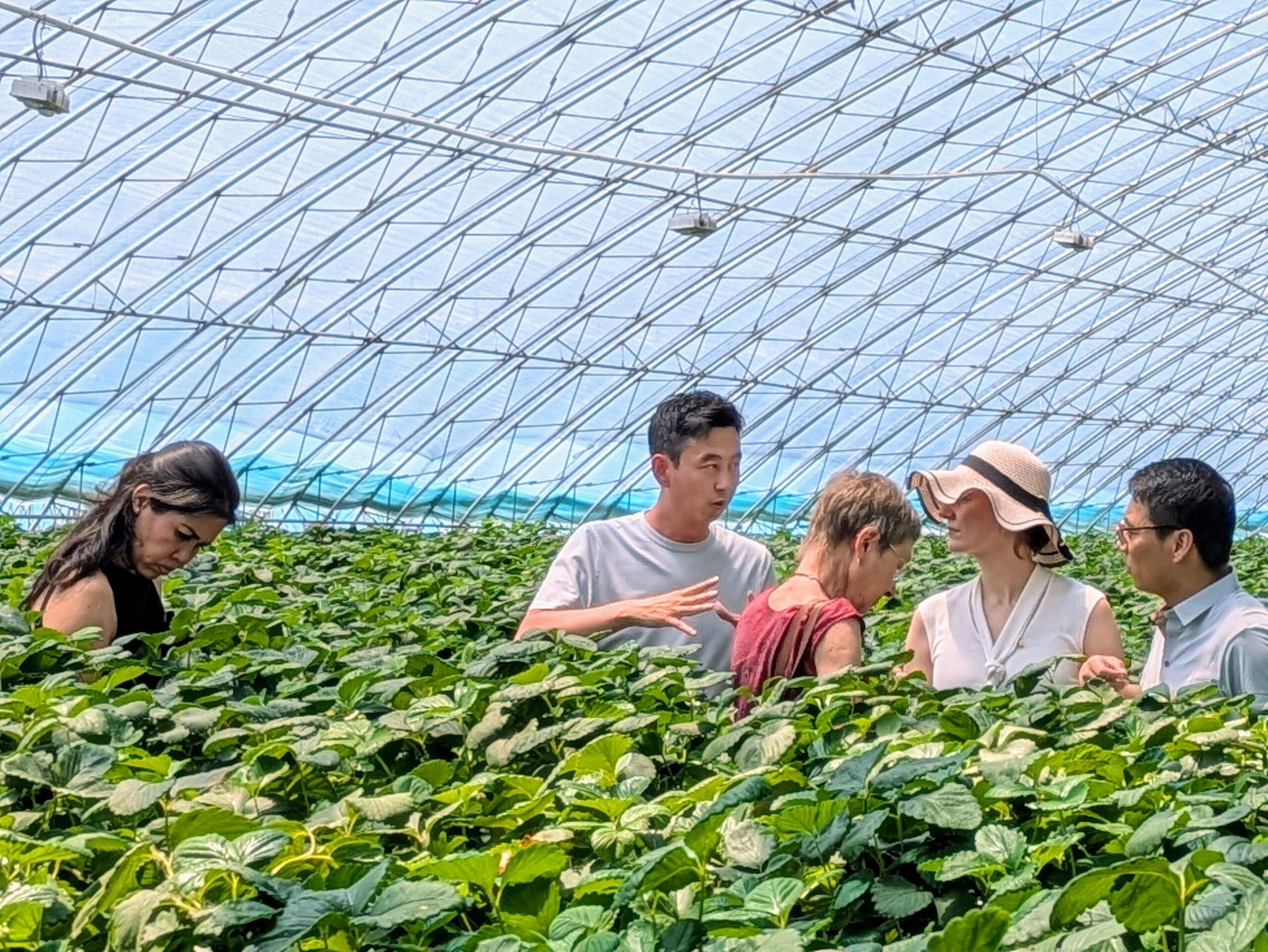
GuoXin Agriculture, also located in Shuangyang, integrates organic farming with food processing and rural tourism. It has been using beneficial insects for pest control and biological fertilizer production. The company’s operations align with China’s 2024–2027 Rural Revitalization Plan, which encourages diversification of rural income through multi-functional land use and local agri-tourism.
Workshop on sustainable agriculture
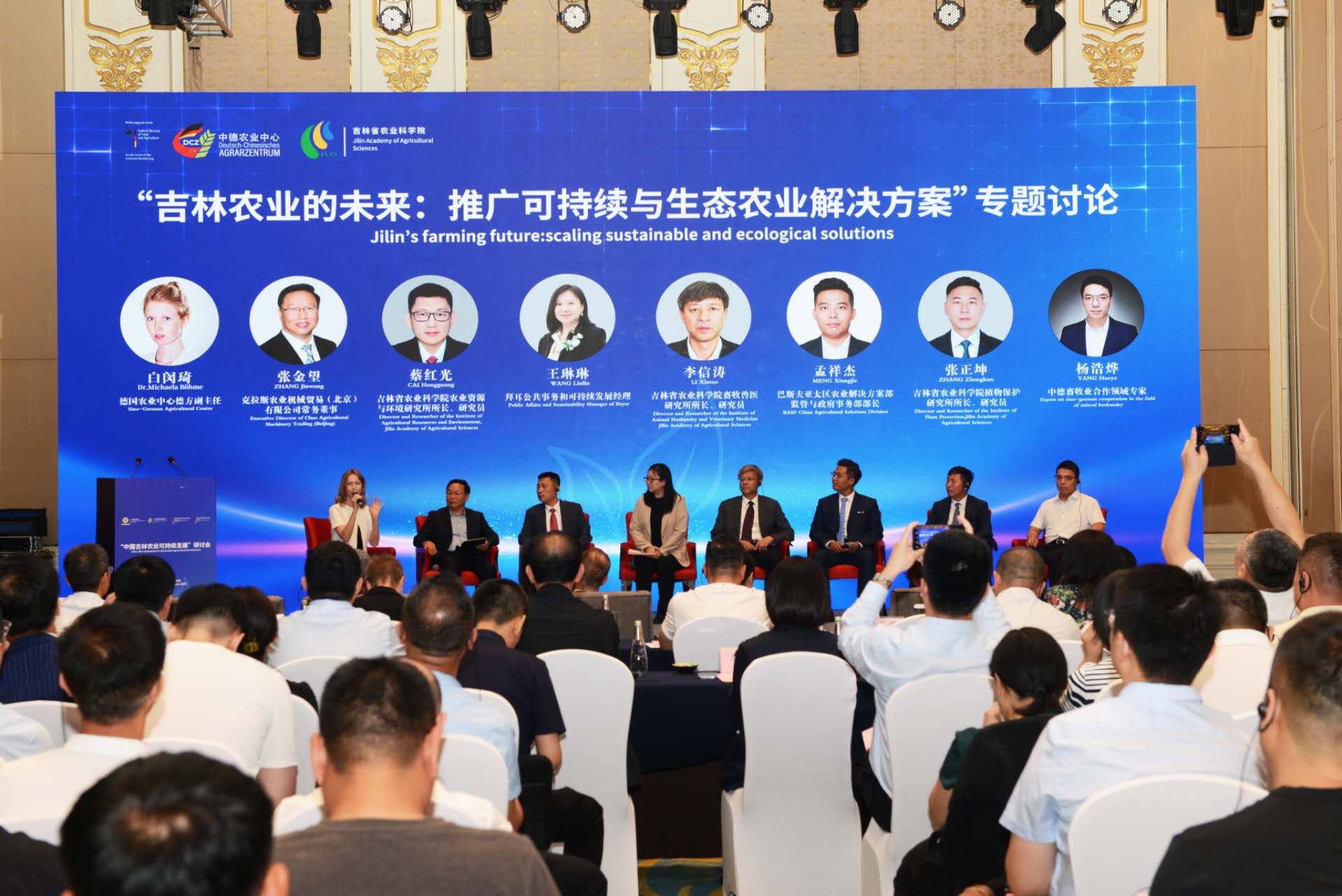
A workshop and networking event on sustainable agriculture in Jilin concluded the day. Government officials, researchers, and company representatives from both countries discussed opportunities for Sino-German cooperation. Topics included more efficient use of pesticides and fertilizers, improved cattle breeding and pork production technologies, and the development of regional specialty products such as ginseng.
DCZ Deputy Managing Director Michaela Böhme moderated a panel discussion featuring speakers from the Jilin Academy of Agricultural Sciences, CLAAS, Bayer, BASF, and the Sino-German Animal Husbandry Project.
Conservation farming in Lishu County
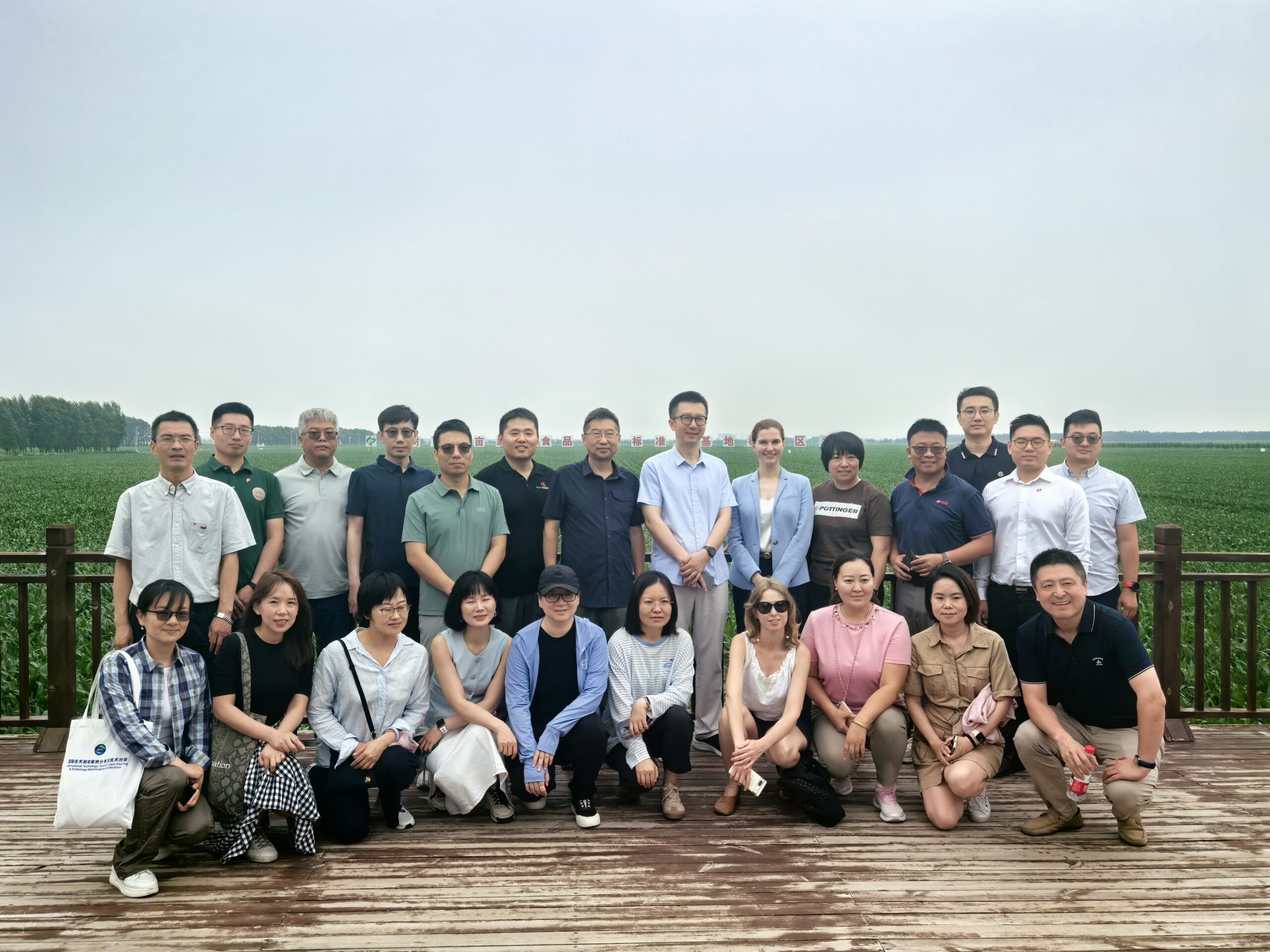
On the final day, the delegation visited Lishu County, a national model for conservation agriculture. For nearly 20 years, local farmers have practiced reduced-tillage techniques to protect the region’s black soil and combat erosion. The Lishu model is based on three key principles:
- Year-round residue cover
- Direct seeding and fertilization
- Integrated weed management
These principles were showcased at the Million-Acre Experimental Field and the Siping Academy of Modern Agricultural Sciences. The visit also included Shijiabao Park, where integrated animal husbandry approaches ensure that straw and manure are returned to the soil, supporting closed-loop nutrient cycles.
The trip concluded with a visit to Shunbang Machinery Manufacturing, a local company specializing in straw collection and baling equipment tailored to regional field conditions. Today, Shunbang holds approximately 45% of the domestic market for straw biomass machinery.