The 11th Sino-German Agricultural Week (SGAW) focused on green solution and business opportunities with the potential to transform agri-food systems and rural areas. The event explored innovative approaches, technologies, and business solutions to promote sustainable agricultural production and green development in rural communities.
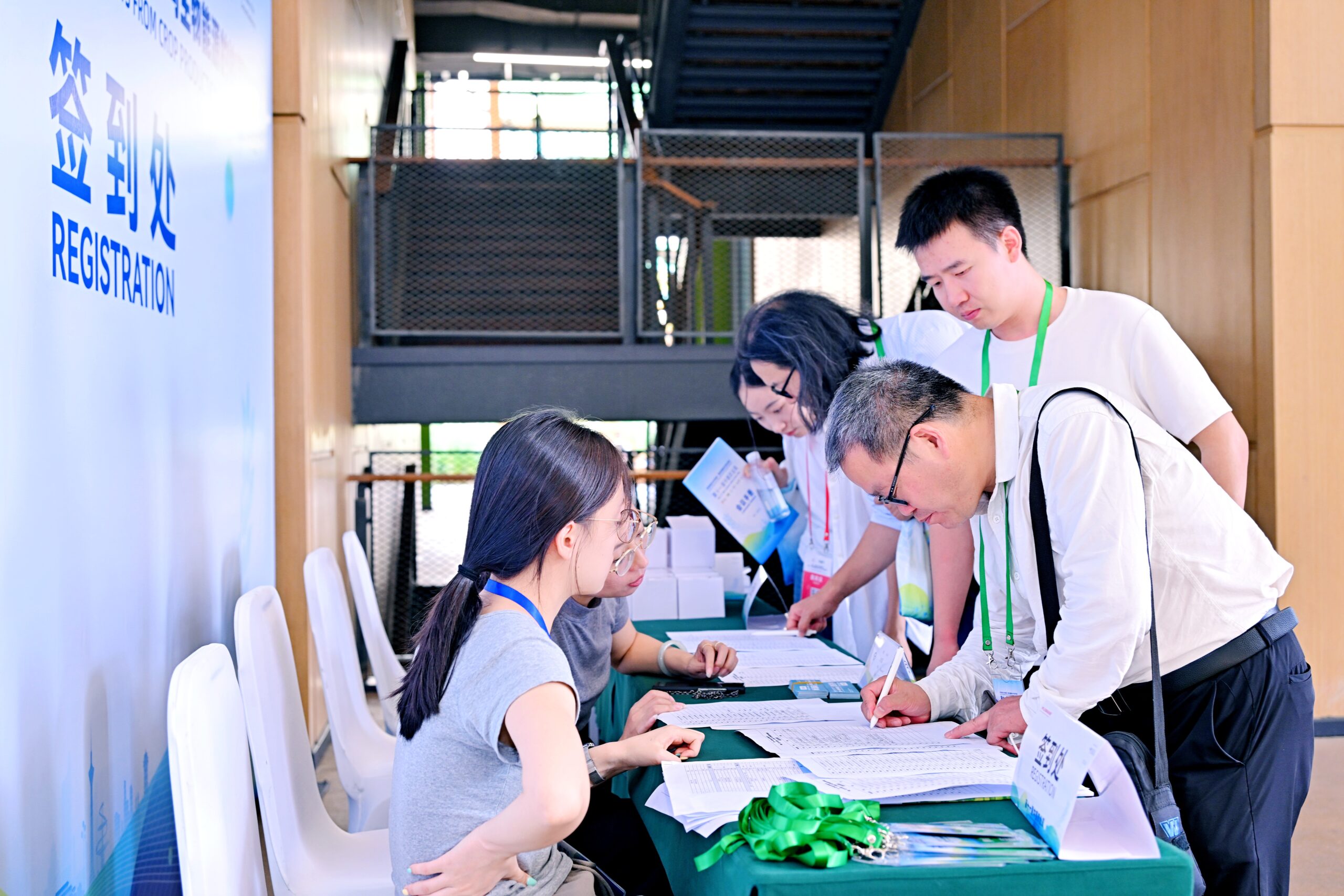
As the flagship event of the Sino-German Agricultural Centre (DCZ), SGAW has become an important platform for exchange and cooperation between China and Germany. The 11th edition was held in Chengdu, Sichuan Province, from 3–5 September 2025 with generous support from China’s Ministry of Agriculture and Rural Affairs (MARA) and the German Federal Ministry of Agriculture, Food and Regional Identity (BMLEH). The event was held in parallel with the Sichuan Agricultural Expo – an annual event aimed at showcasing new products and innovations in the province’s food and agriculture sector.
A high-level German delegation, led by State Secretary Markus SCHICK, attended the event together with a business delegation and numerous experts, researchers, and companies from both countries. The Chinese side was represented by TAO Huaiying, Chief Veterinary Officer (vice-ministerial level) at MARA. In total, about 200 participants joined the event.
A bilateral meeting between senior policymakers took place on the sidelines of the SGAW, offering both sides an opportunity to discuss the future of Sino-German cooperation in agriculture and food. The talks addressed trade and market access as well as shared challenges in transforming food systems toward greater sustainability.
Opening speeches and keynotes
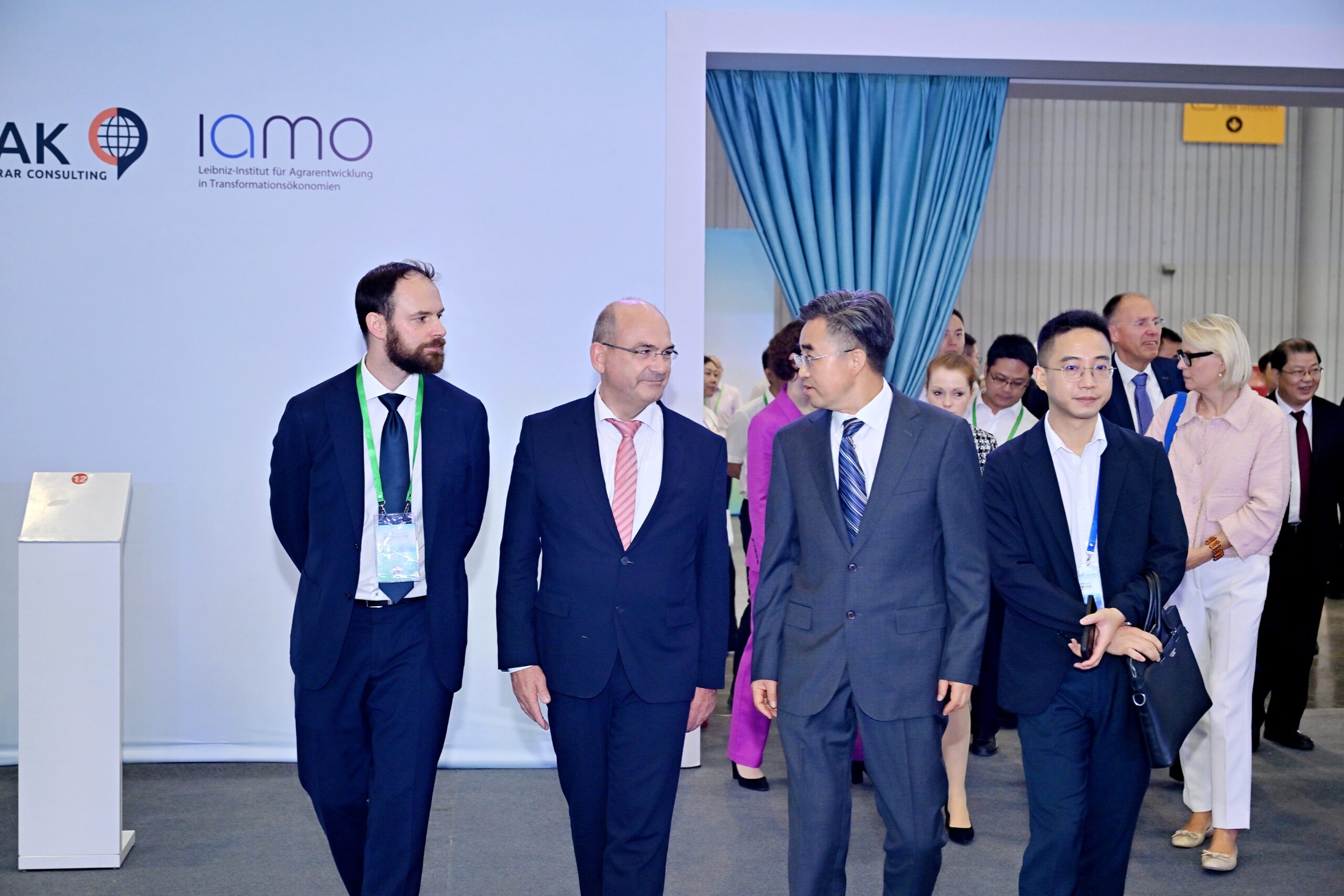
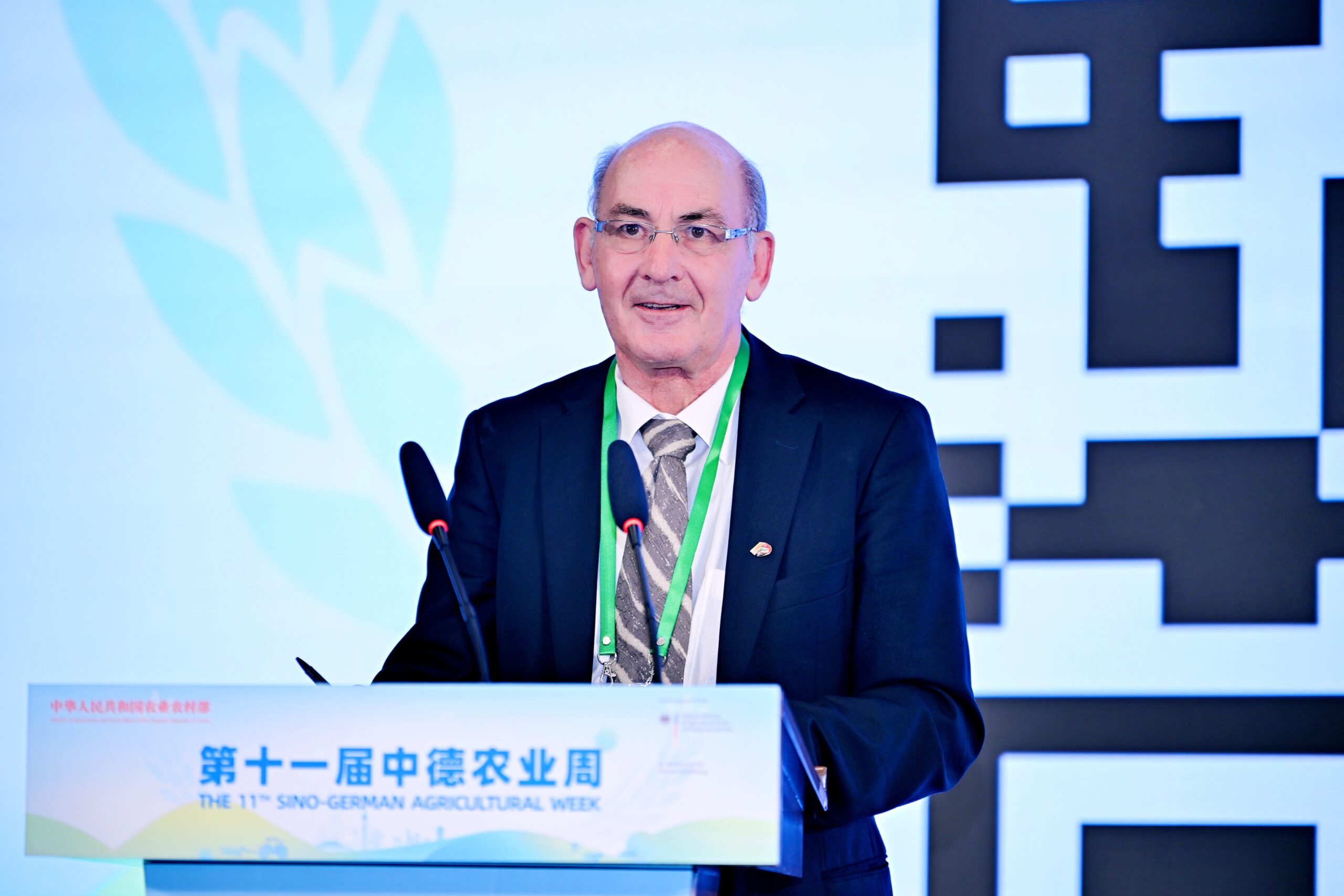
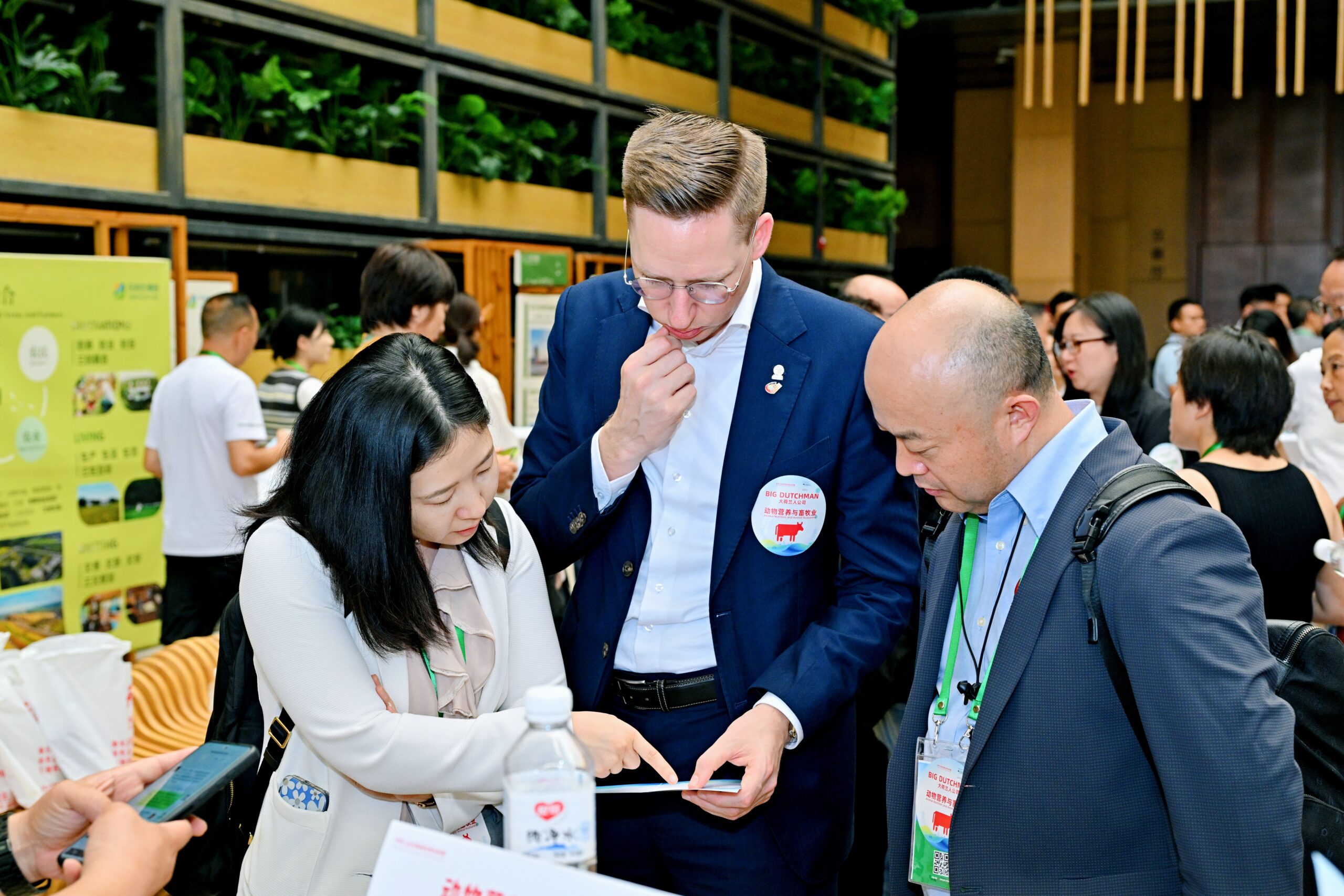
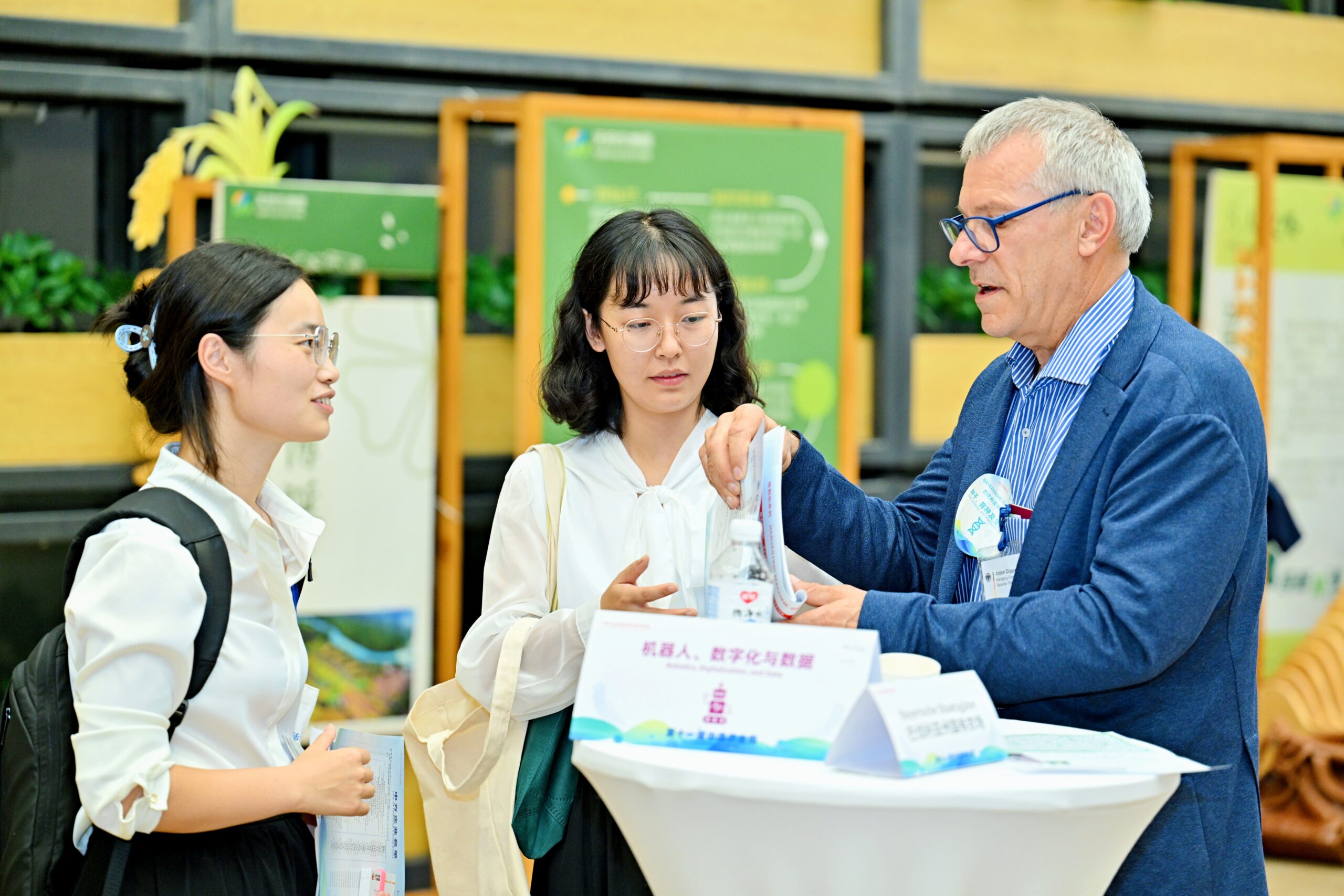
The 11th SGAW was officially opened on 4 September by State Secretary Schick and Chief Veterinary Officer TAO, beginning with a tour of the Sichuan Agricultural Expo. The tour started at the German Product Display, which showcased German food brands with a strong presence in the Chinese market as well as agri-tech solutions “Made in Germany”.
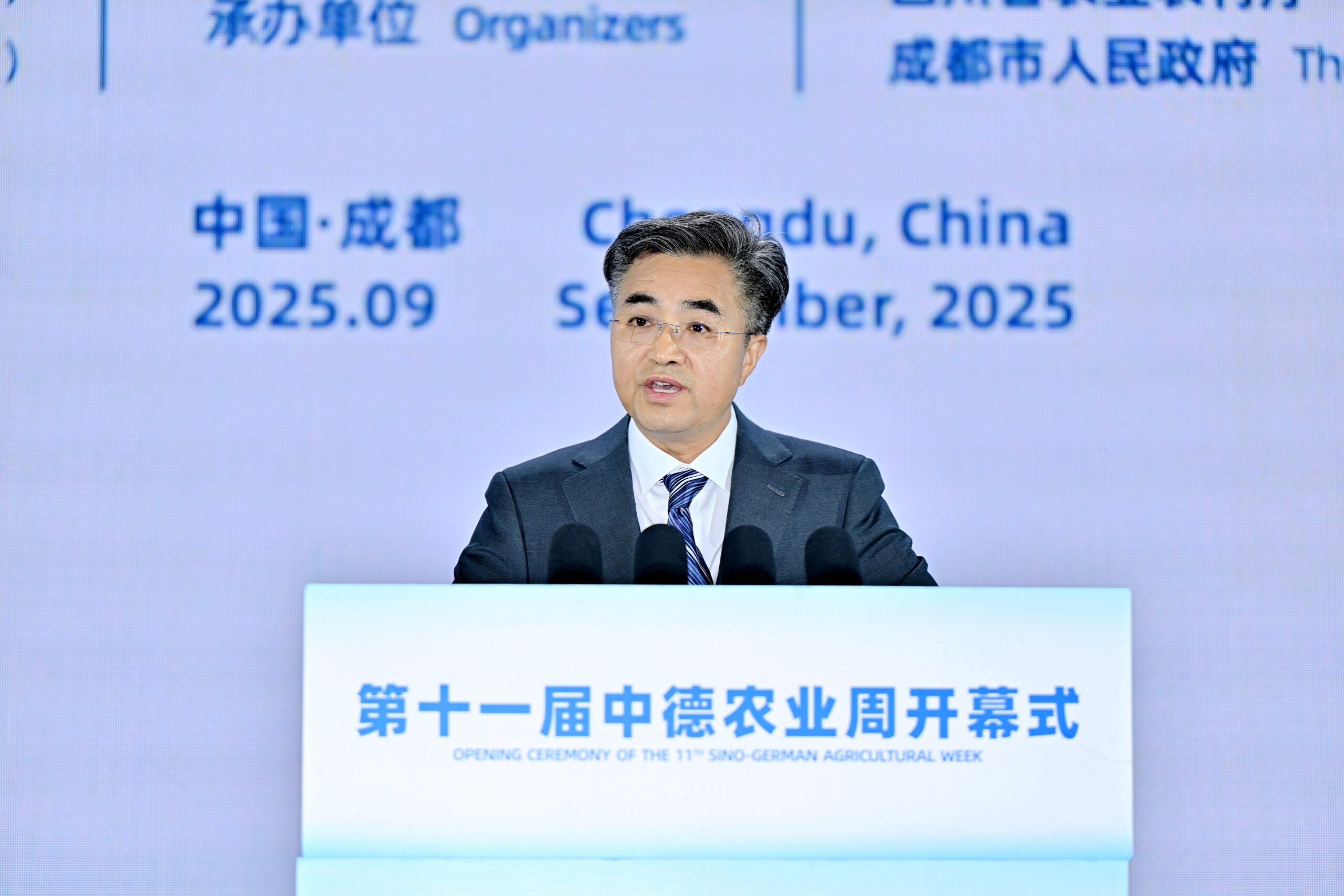
In his welcome remarks, Mr. Tao underlined the Chinese government’s commitment to ensuring national food security and advancing comprehensive rural revitalization. He emphasized efforts to build a new agricultural production model aligned with ecological and resource constraints and to create livable, business-friendly, and beautiful villages. He proposed three directions for Sino-German cooperation: jointly shouldering responsibilities to promote global food security, learning from each other’s approaches to rural development, and building strong platforms for practical bilateral cooperation.
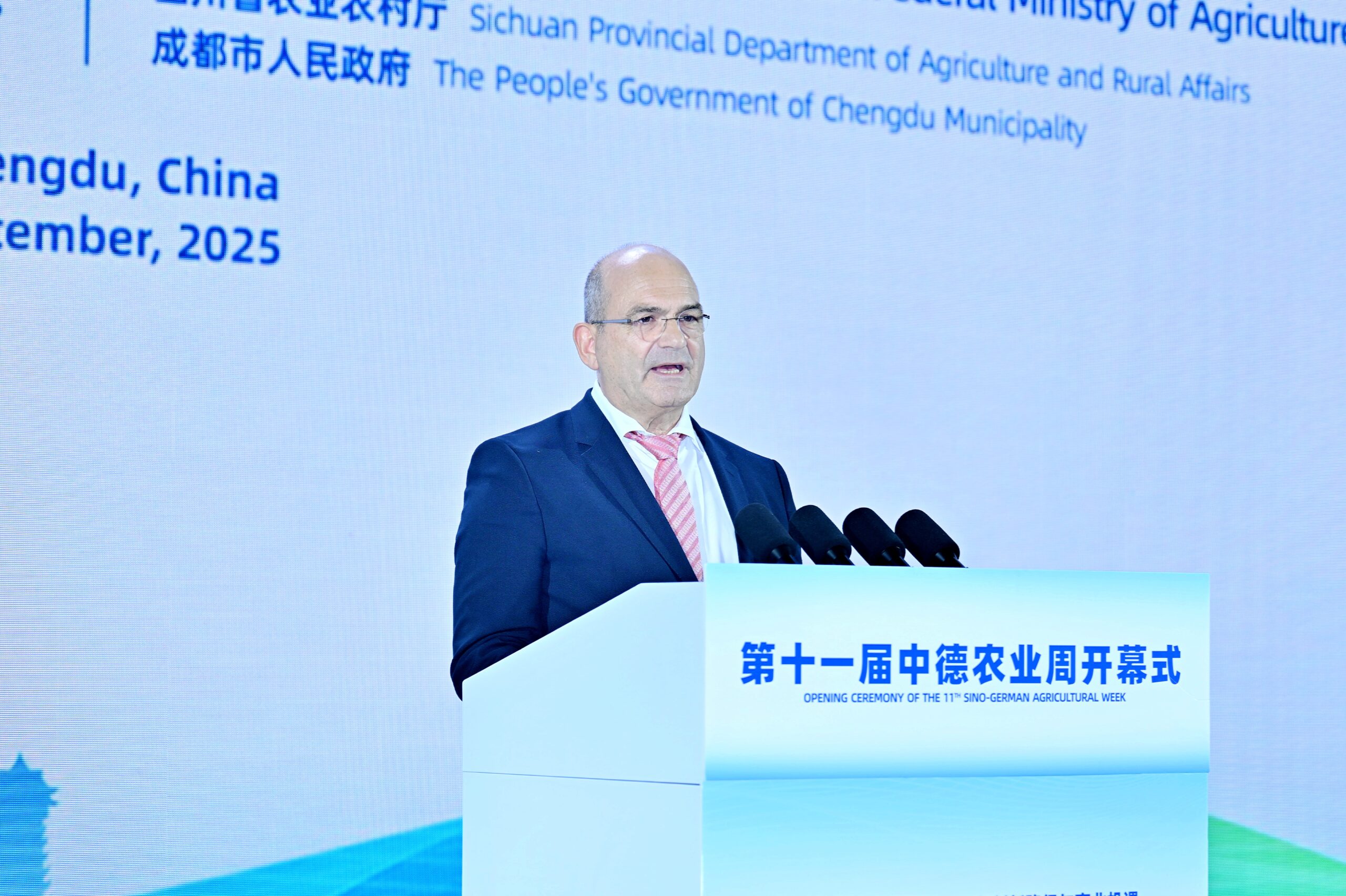
In his address, Mr. Schick emphasized the importance of strengthening the economy of rural regions and praised the long-standing partnership between both countries. At the same time, he expressed concern about market access barriers and called for reducing trade restrictions to achieve a fair and rule-based trading relationship. Mr. Schick highlighted opportunities for cooperation in high-quality agricultural production, sustainable rural development, and ecological farming. He reaffirmed Germany’s readiness to work closely with China through the DCZ to build more resilient agri-food systems.
Additional opening remarks were delivered by HU Yun, Vice Governor of Sichuan Province, Julian LASINGER, Deputy Consul General at the German Consulate in Chengdu, and CHEN Yanfu, Deputy Secretary of the Chengdu Municipal Committee.
The first keynote was delivered by ZHANG Hecheng, Member of the Chinese People’s Political Consultative Conference. He linked rural development to China’s overall modernization strategy, stressing that rural revitalization is a prerequisite for national development. Mr. Zhang highlighted China’s progress in grain output, poverty reduction, rural income growth, and agricultural science and technology. He outlined long-term goals, including achieving socialist modernization in rural areas by 2035 and building a strong agricultural nation by 2049. To achieve these goals, he suggested, amongst other measures, to learn from Germany’s “village renewal” programs, starting in the 1950s.
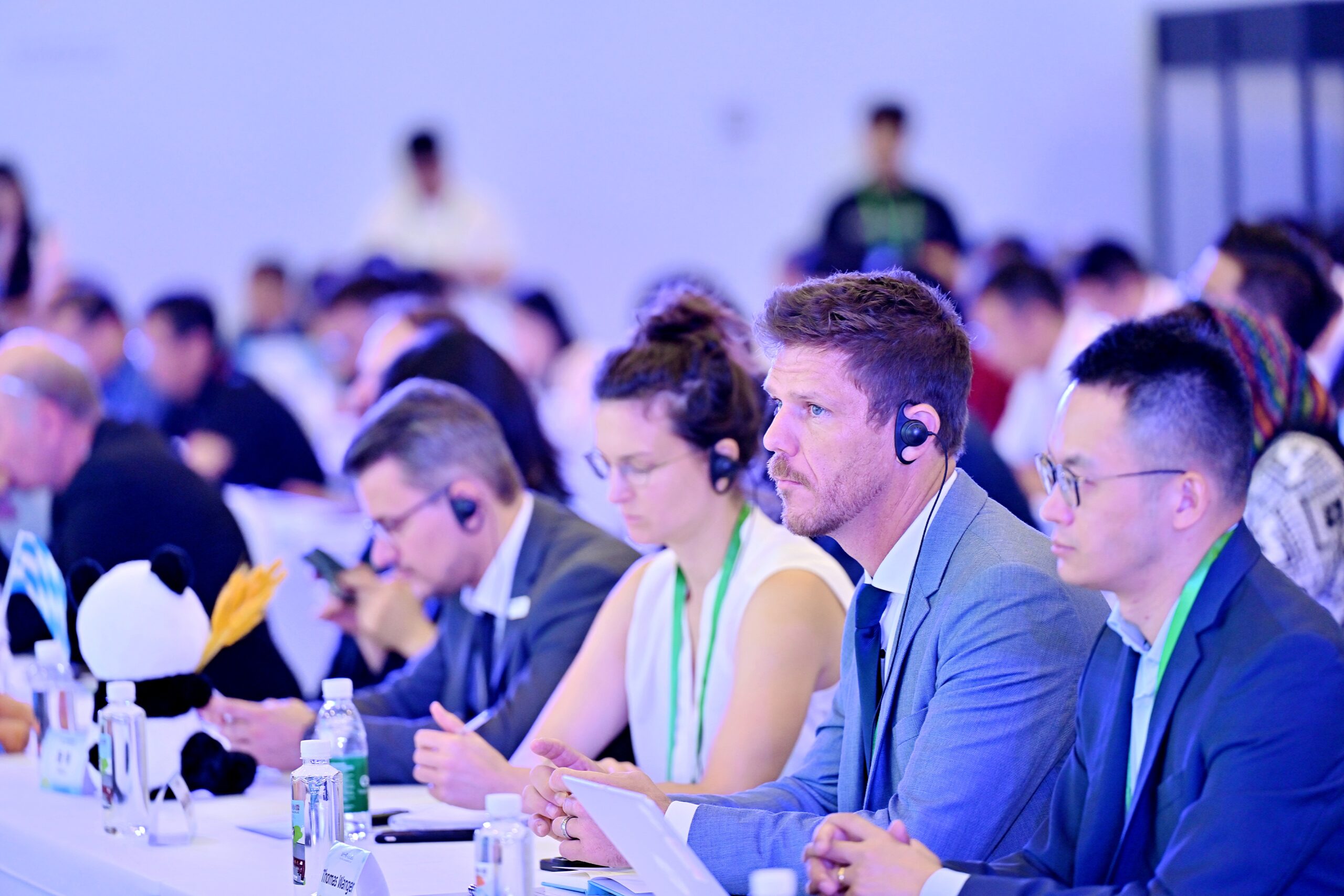
The second keynote was presented by Thomas WANGER from Agroscope and the Academy of Global Food Economics and Policy at China Agricultural University. He analyzed the environmental and social costs of the global agri-food system, noting that despite its USD 10 trillion valuation, externalities such as health and environmental damage render it a loss-making system. He argued for diversified agriculture, technological innovation, interdisciplinary cooperation, and long-term investment in nutrition as key pathways toward sustainable and equitable global food systems.
Thematic sessions
Thematic session 1:
Aligning for Rural Development —Insights from Crop Production and Bioenergy
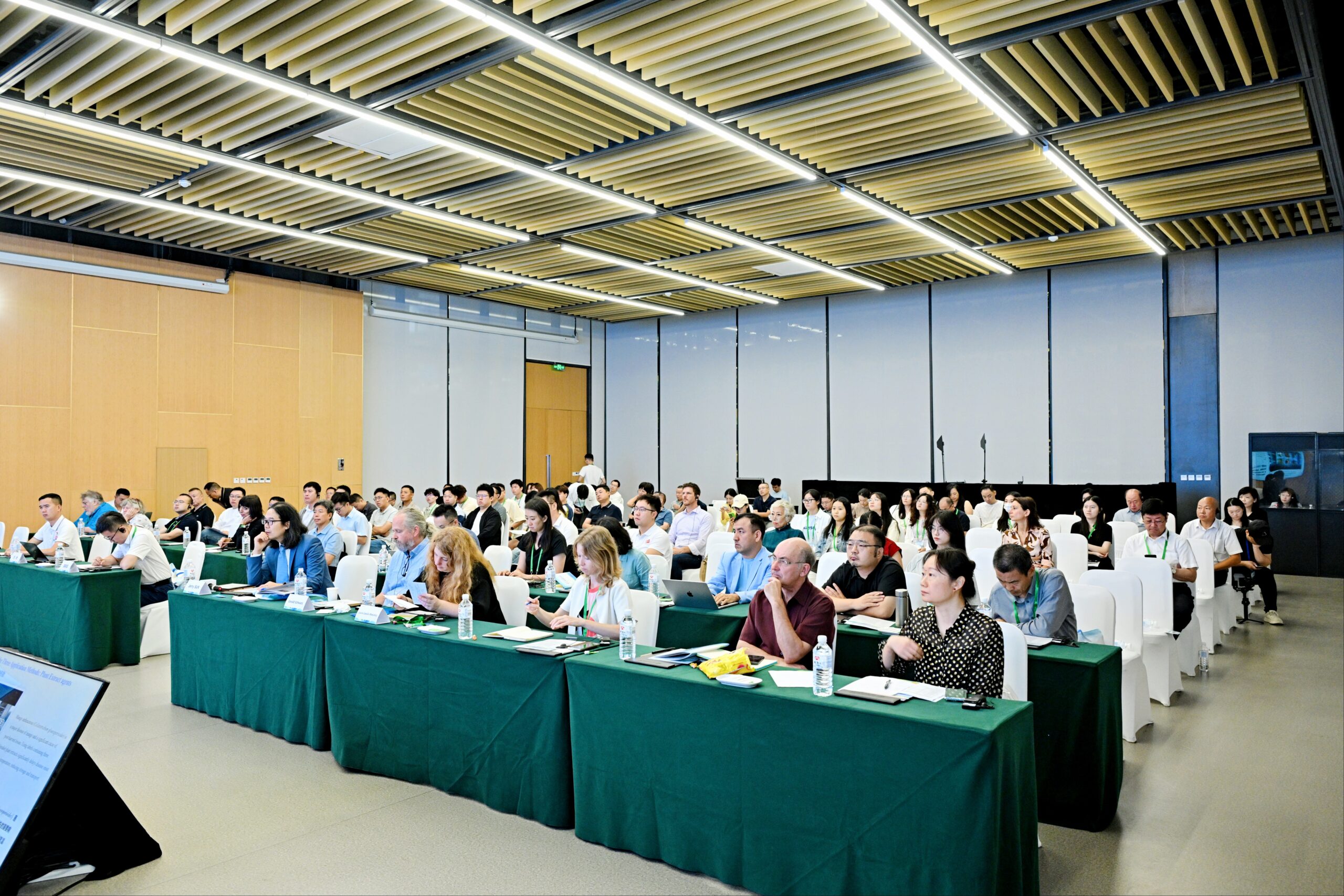
On 4 and 5 September, three thematic sessions provided participants with an opportunity to engage in more detailed exchanges amongst experts and practitioners. The first thematic session, chaired by Jürgen RITTER, Managing Director of DCZ, examined opportunities for green innovation in crop production and bioenergy.
HE Mingxiong from the Biogas Institute of MARA underlined the role of biomass plants in securing regional energy supply, reducing agricultural emissions, and supporting climate protection. He emphasized the potential of green biomanufacturing that uses renewable agricultural resources such as straw to produce high-value products and contribute to China’s long-term food security.
WANG Xiaoxi from Zhejiang University analyzed synergies between agricultural production and bioenergy, noting that biochar can replace fossil fuels, sequester carbon, reduce fertilizer use, and enhance soil fertility. While bioenergy offers income opportunities and supports China’s dual carbon goals, he also cautioned against land-water-food trade-offs and called for a holistic policy framework that couples agriculture with bioenergy and fosters new rural employment.
Heinz-Peter MANG from the University of Science and Technology Beijing introduced the concept of bioenergy villages, which use local agricultural residues, energy crops, and organic waste to generate decentralized electricity and heat. He highlighted German experiences where such villages reduced greenhouse gas emissions, stabilized energy prices, and fostered community participation. He pointed to strong potential for Sino-German cooperation in technology transfer, pilot projects, and rural value chain development.
MENG Xiangjie from BASF presented the company’s “Verbund” strategy in China and its agricultural solutions for climate-smart farming, sustainable crop protection, and digital farming. He emphasized BASF’s commitment to providing innovative tools that help farmers adapt to changing market needs and environmental requirements.
Kerstin WYDRA from Erfurt University of Applied Sciences discussed the potential of agrivoltaics, highlighting its capacity to combine crop production and solar power generation. She showed how agrivoltaic systems can increase yields, reduce irrigation needs, improve animal welfare, and contribute to biodiversity. With a rapidly growing global market, she stressed that agrivoltaics can address water-energy-food nexus challenges and promote climate-resilient farming.
XIA Fang from China Agricultural University concluded the session with a presentation on low-carbon transformation of agri-food systems. She outlined key components such as reducing greenhouse gas emissions, improving soil and water health, and protecting biodiversity. Referring to lessons from the EU’s Common Agricultural Policy, she argued that such measures not only promote sustainability but also strengthen rural development and prosperity.
Thematic session 2:
From Principles to Practice – Exploring Pathways for a Sustainable Rural Transformation
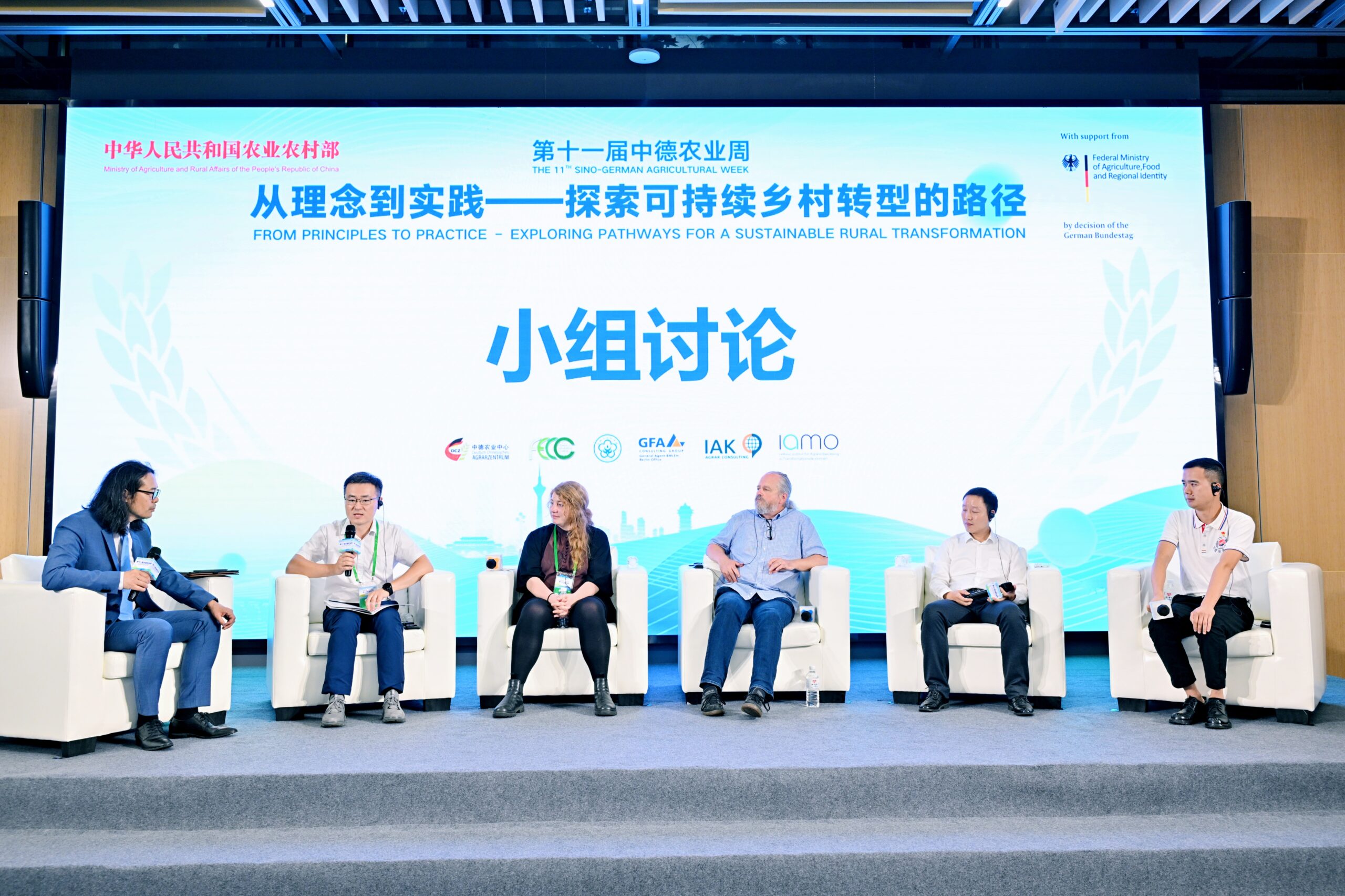
The second thematic session, chaired by SUN Zhanli from the Leibniz Institute of Agricultural Development in Transition Economies (IAMO), explored technical and organizational solutions to integrate agroecological principles more widely into farming practices.
XUE Yinghao from the Rural Energy and Environment Agency presented the zero-carbon villages project implemented by MARA and the Global Environment Facility. He showed how solar-thermal systems, photovoltaics, biogas, wind energy, distributed power, and micro-grids can support climate-neutral rural areas. He stressed that energy efficiency, especially transforming rural buildings into climate-neutral structures, remains a key challenge.
LIU Ji from the Chengdu Academy of Agricultural and Forestry Sciences introduced research on green inputs such as microbial agents that reduce the use of agrochemicals in pest management. Benefits include yield increases of up to 19% in some crops, no harm to pollinators, and residue-free production enabling exports to the EU. He also presented multi-cropping systems as a means of biological pest control.
Gerald SCHWARZ from the Thünen Institute highlighted examples from Germany and Europe where agroecological principles are integrated into farming, such as Eco-Model Regions, Food Policy Councils, and demonstration networks. He underlined the importance of local leadership, flexible solutions adapted to regional conditions, and “learning communities” that foster new business models.
Laura Carolin RHEINFELS from the Leibniz Institute for Agricultural Engineering and Bioeconomy (ATB) presented the “demonstration farms integrated crop management” network in Brandenburg. Supported by BMLEH and multiple research organizations, the network tests machinery, management techniques, and crop rotations to balance agroecological principles with technological innovation. Trials include strip-till, mechanical weed control, and the introduction of legumes to improve soil health, biodiversity, and climate resilience.
ZHANG Xuezhi, a young farmer from the outskirts of Chengdu, shared his experience of running a 3.3-hectare diversified farm with minimal chemical inputs. Using crop rotations, cover crops, and nitrogen-fixing beans, he aims to build a model that is economically viable, socially responsible, and environmentally sustainable.
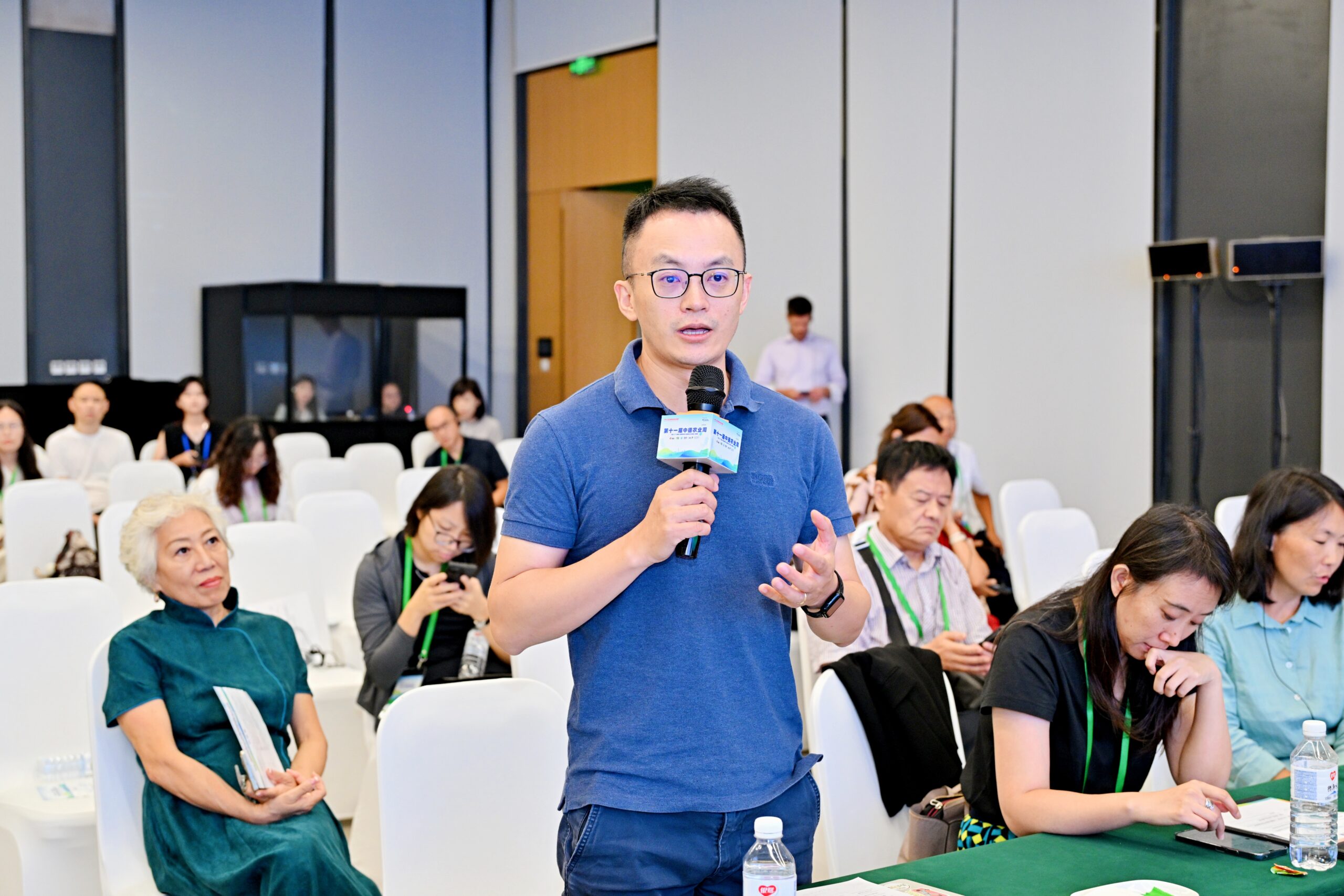
The session concluded with a panel discussion among all speakers and participants. The debate centered on future opportunities for Sino-German cooperation, the role of key actors in driving agroecological transformation, and the funding challenges that need to be addressed to scale up these approaches.
Thematic session 3:
Sustainable Animal Farming – Health, Welfare and Resource Use
The third thematic session, chaired by ZHU Qing, President of the Sichuan Animal Husbandry Association, addressed sustainable approaches in livestock farming. Discussions focused on animal welfare, animal health, and nutrient cycling to reduce emissions and balance ecosystems.
Prof. XU Chuang from China Agricultural University presented on the growing importance of animal welfare in China’s dairy industry. Drawing on examples from major companies such as Mengniu and Modern Dairy, he showed how practices are evolving to improve conditions for dairy cows while responding to consumer expectations.
Prof. Sandra BLOME from the Friedrich Loeffler Institute (FLI) outlined Germany’s advanced early-warning and containment system for animal diseases. Using the example of a foot-and-mouth disease outbreak in January 2025, she demonstrated how strong laboratory networks, standardized diagnostic methods, and integrated datasets enabled a rapid response, preventing major losses and ensuring efficient resource use.
Elisabeth HUBA from the German Society for Sustainable Biogas and Bioenergy Utilisation (FnBB) highlighted the role of biogas plants in closing nutrient cycles. She explained how recycling fermentation residues as fertilizer can reduce carbon emissions and create sustainable, closed-loop systems in livestock farming.
Company representatives shared further innovations. Fiona FAN from Boehringer Ingelheim and Catherine CUI from Phytobiotics presented new feeding solutions that enhance animal nutrition and reduce antibiotic use. YAO Huichao, Vice President of Sichuan Dekon Agriculture, showcased the achievements of one of Sichuan’s largest pig production enterprises, emphasizing how efficiency gains and sustainability measures are being implemented at scale.
Business roundtable, matchmaking event, and brand night
Several side events during the 11th SGAW were tailored to the needs of industry. A business roundtable and networking lunch with State Secretary Markus Schick gave German companies in China the opportunity to exchange views on current challenges and opportunities in the Chinese business environment.
A B2B matchmaking event on the sidelines of the conference program offered companies from Germany and Sichuan Province a platform to explore cooperation in innovation, trade, and investment. Moderated by JI Rui, Director of the Division for Exchange and Cooperation of the Sichuan Provincial Department of Agriculture and Rural Affairs, the session brought together about 60 companies from both countries. On the German side, Artur Ickstadt, Head of Division for Export at BMLEH, presented Germany’s new export strategy, while LI Ying from the Competence Centre for Food and Agriculture introduced the German companies at the event, highlighting their strengths across different sectors.
On the Chinese side, HUANG Cheng and CHEN Zhilong outlined the foreign investment policies of Chengdu’s Xinjing District and Dachuan District, focusing on the need for agricultural machinery suited to Sichuan’s hilly terrain. The session concluded with structured matchmaking rounds, giving companies the chance for short exchanges and networking.
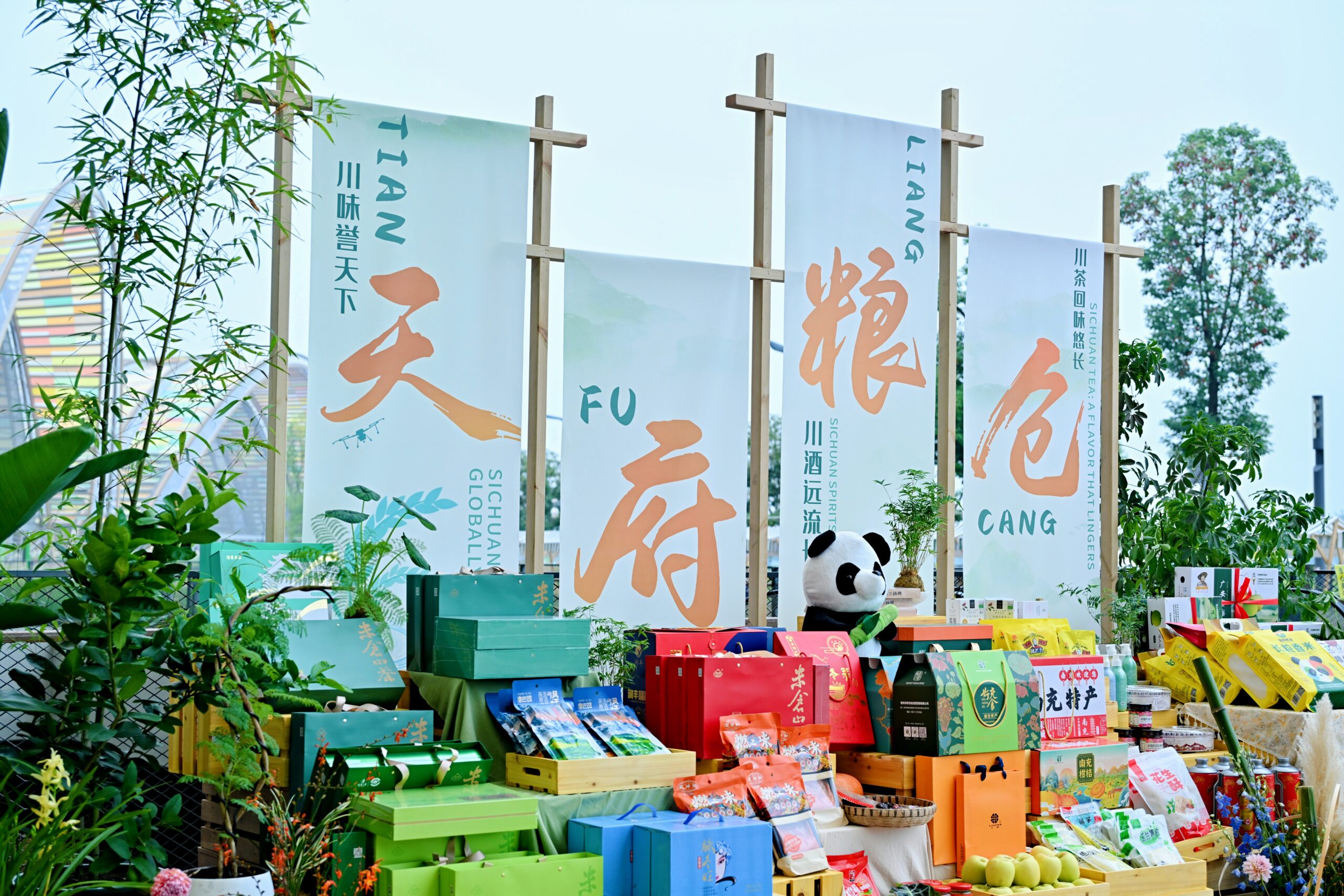
The day ended with a brand night showcasing local specialty products, aimed at strengthening agri-food trade and promoting mutual understanding of consumer trends in both countries.
In addition to policy dialogue and business exchanges, the 11th SGAW also gave the German delegation an opportunity to gain first-hand impressions of agricultural and rural development in Sichuan. A full day was dedicated to field visits, which included:
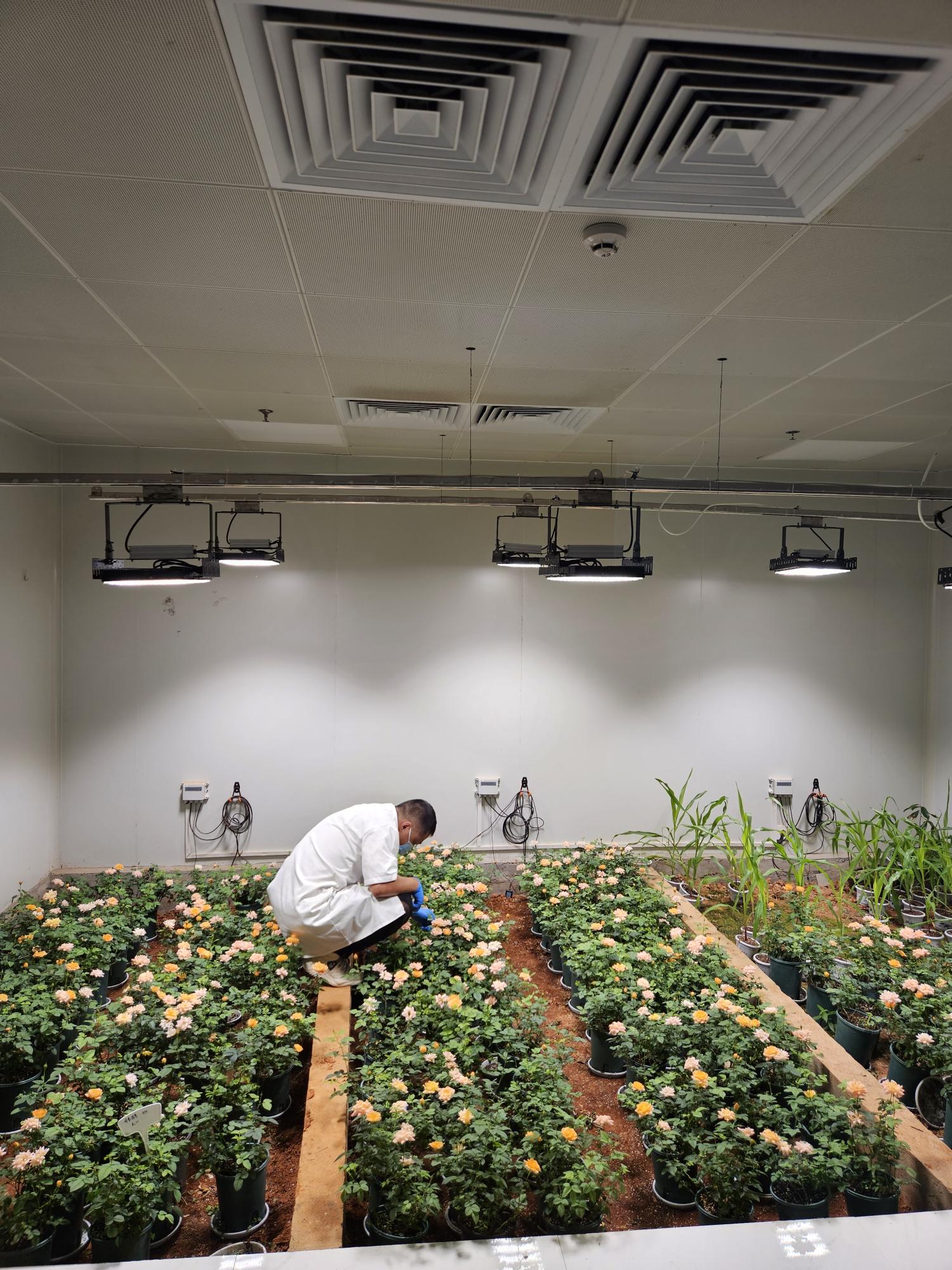
Chengdu Newsun Crop Science: A green crop protection company in Pujiang County producing bio-stimulants for plant nutrition and soil remediation. Located in one of Sichuan’s tea- and citrus-producing regions, the company supports Pujiang’s plans to implement chemical-free input policies.
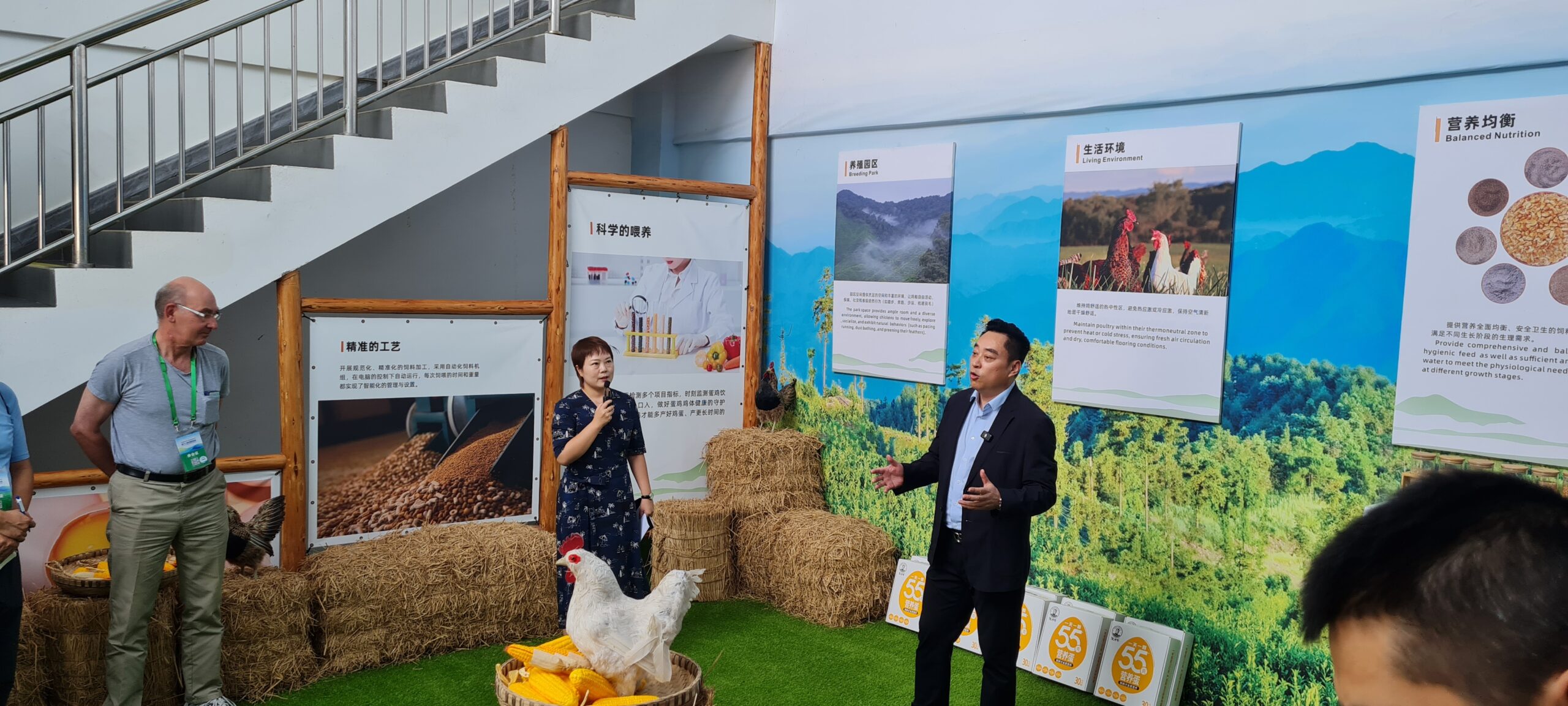
Master Shen: A major food processor specializing in egg snacks (“jidan gan”), the company applies high standards in energy use and waste management. Its alignment with EU environmental standards demonstrates how industrial food production can actively contribute to emission reduction and resource efficiency.
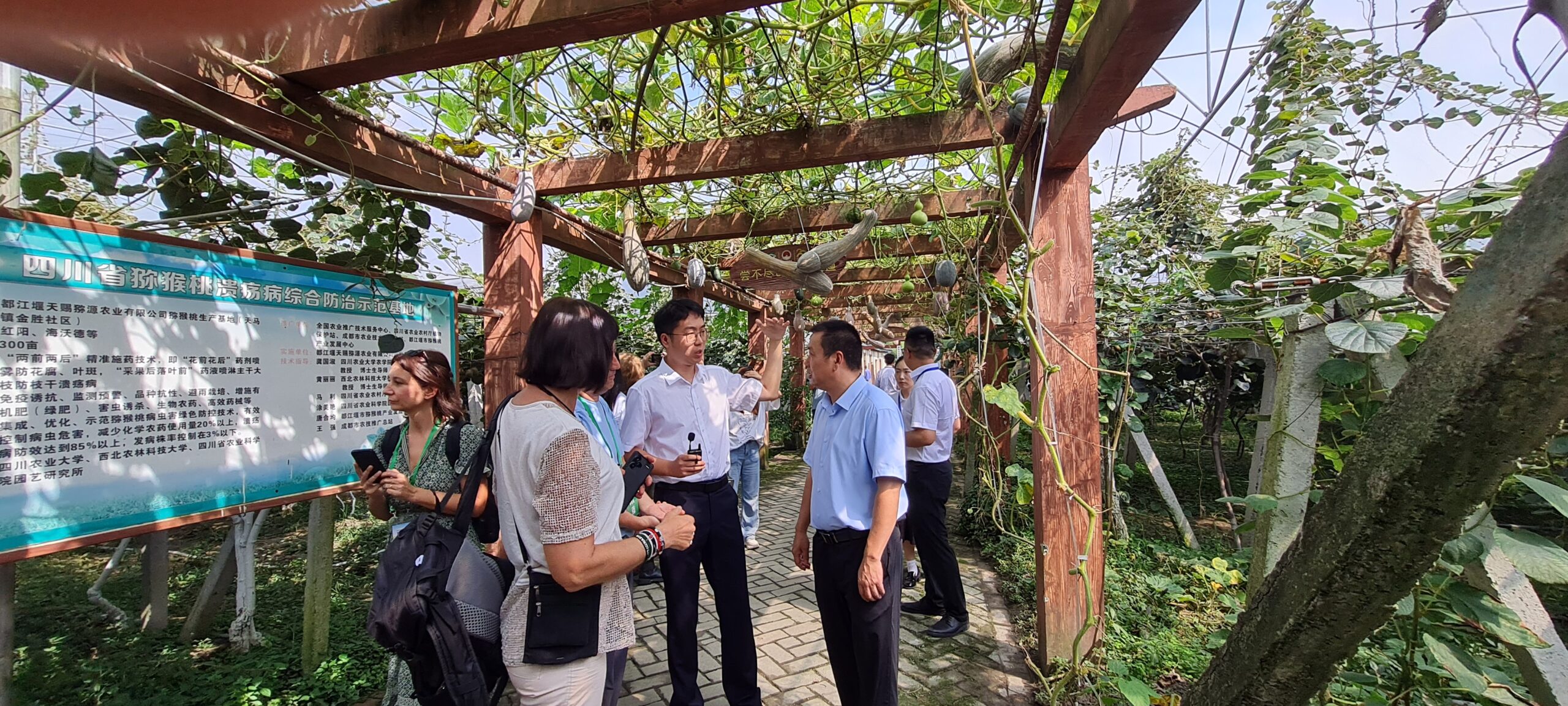
Jinsheng Grain-Fruit Integrated Smart Agriculture Industrial Park: This site demonstrated how precision irrigation, AI-supported monitoring, and digital recording of growth parameters can reduce water and energy use. Such systems directly optimize the CO₂ footprint of agricultural production.
Laizhou Spirits Culture Experience Center: The center integrates sustainable food and beverage production with climate-neutral tourism, providing an example of how cultural experiences can be combined with green development.
Egg snack producer Master Shen
Smart fruit production
Laboratory of bio-stimulant company Chengdu Newsun Crop Science
Outcome
As DCZ’s flagship event, the 11th SGAW once again proved to be an important platform for high-level political dialogue, business exchanges, and expert discussions. The event demonstrated how sustainability in food systems and rural development can be advanced through practical solutions that combine ecological responsibility with efficiency and productivity.
From a Chinese perspective, the week made clear that the country is accelerating the restructuring of its agricultural and food systems with determination, and is seeking to integrate climate goals into agricultural, rural, and environmental policies in a holistic way.
Promising fields for Sino-German cooperation identified during the event include:
1. Digital and smart agriculture for intelligent monitoring of resource use
2. Development of CO₂ footprint standards for agricultural products, which will affect market access and export conditions
3. Circular economy and energy-efficient production methods, including nutrient recycling as a driver of rural development
Watch highlights from the 11th Sino-German Agricultural Week