As part of the 3rd International Agrobiodiversity Congress, the Sino-German Agricultural Centre (DCZ) hosted a side event titled “Agrobiodiversity in the Field and on Our Tables: Sustainable Use and Valuation of Traditional Landraces in China and Germany.” The event showcased the outcomes of the Sino-German Agrobiodiversity Network, launched with support from Germany’s Federal Ministry of Agriculture, Food and Community (BMLEH) in 2023.
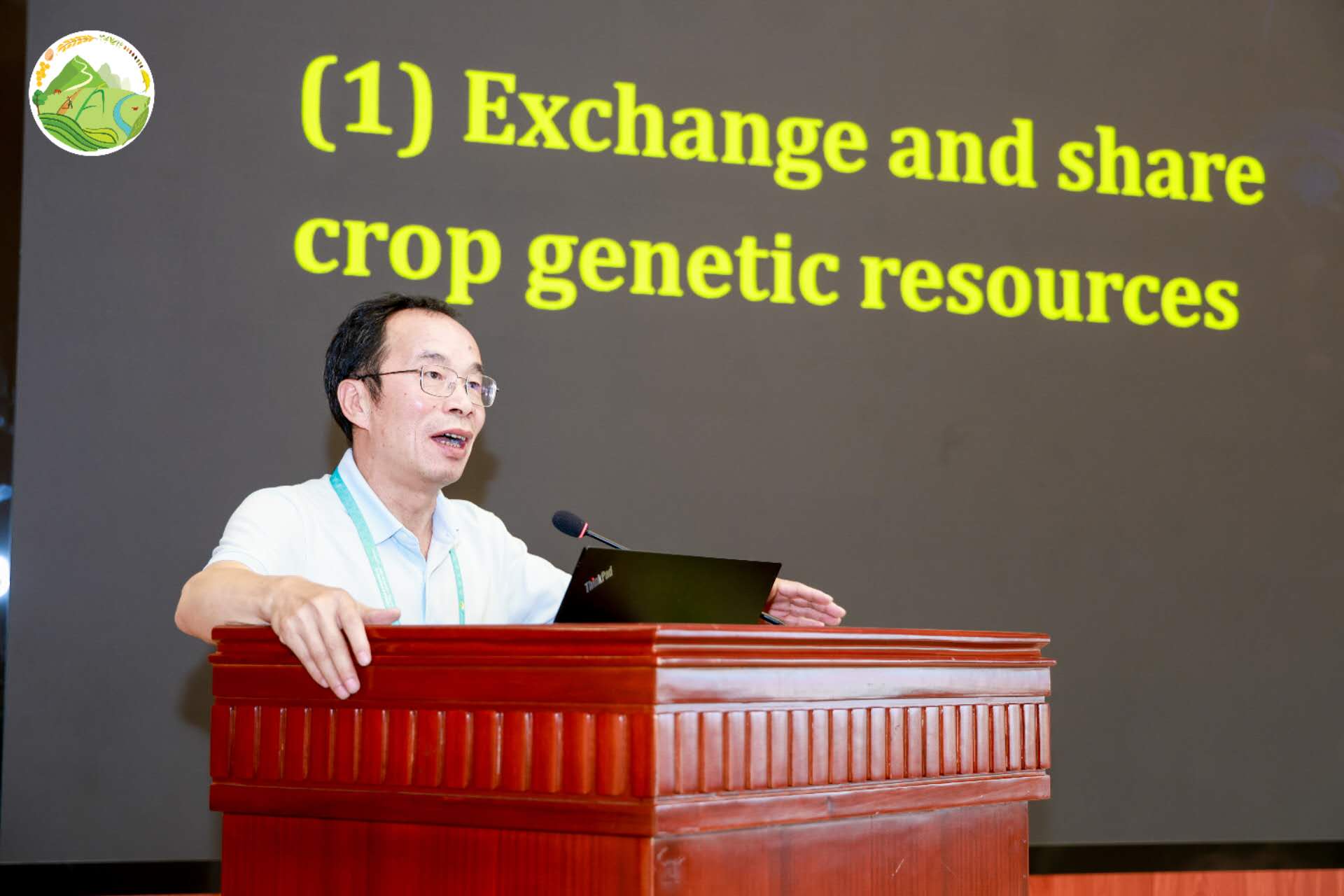
The first live presentation was delivered by Yang Yongping, Director of the Xishuangbanna Tropical Botanical Garden. Prof. Yang highlighted successful collaboration models between scientists and local farmers in Southwest China. His presentation emphasized how combining farmers’ traditional knowledge and crop landraces with modern breeding technologies—such as gene editing and molecular selection—can lead to new crop varieties that meet both conservation and productivity goals. His examples included joint breeding and trial cultivation efforts using local varieties such as turnips in Lijiang.
Prof. Yang Yongping from Xishuangbanna Tropical Botanical Garden
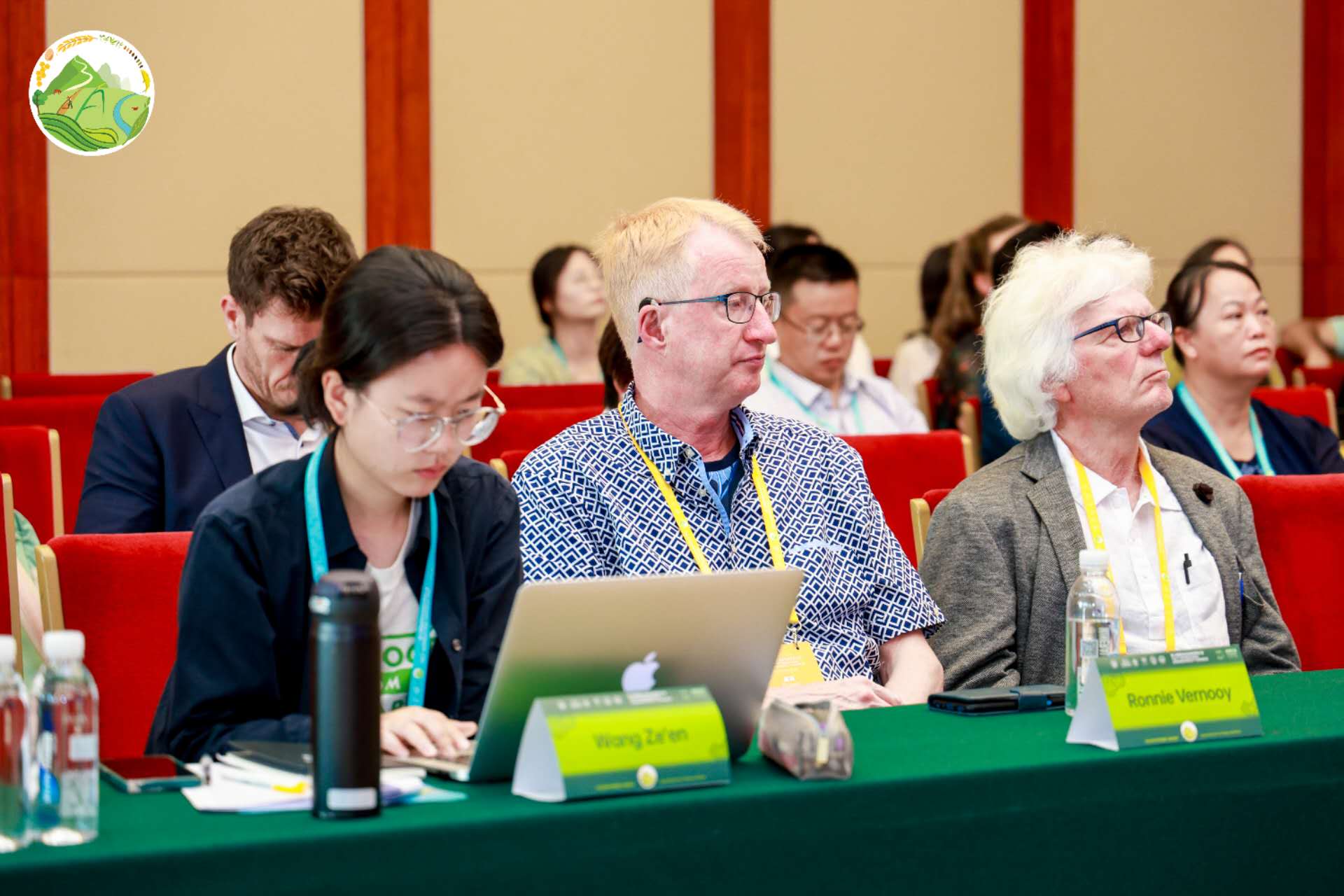
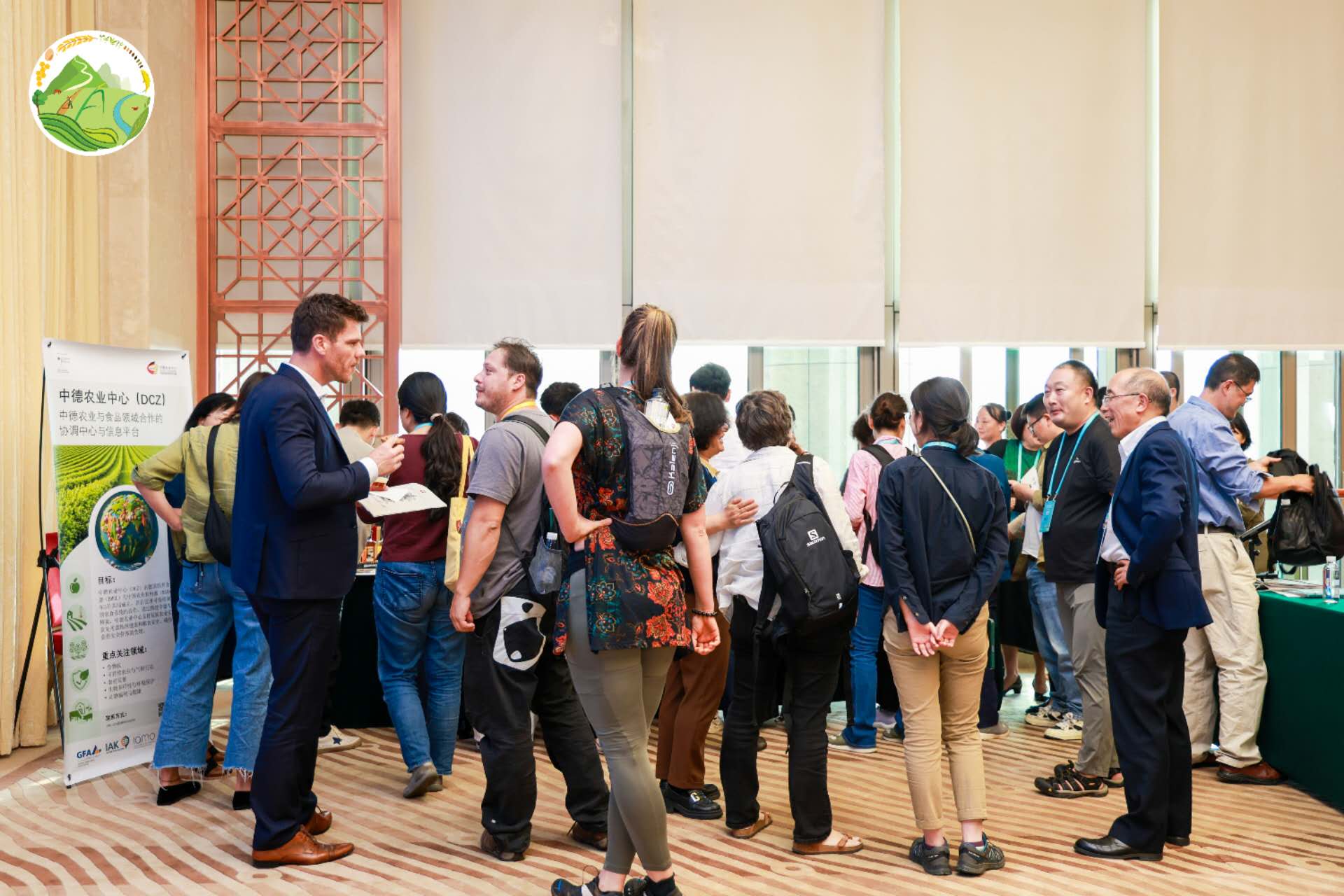
Members of the Sino-German Agrobiodiversity Network attending the event
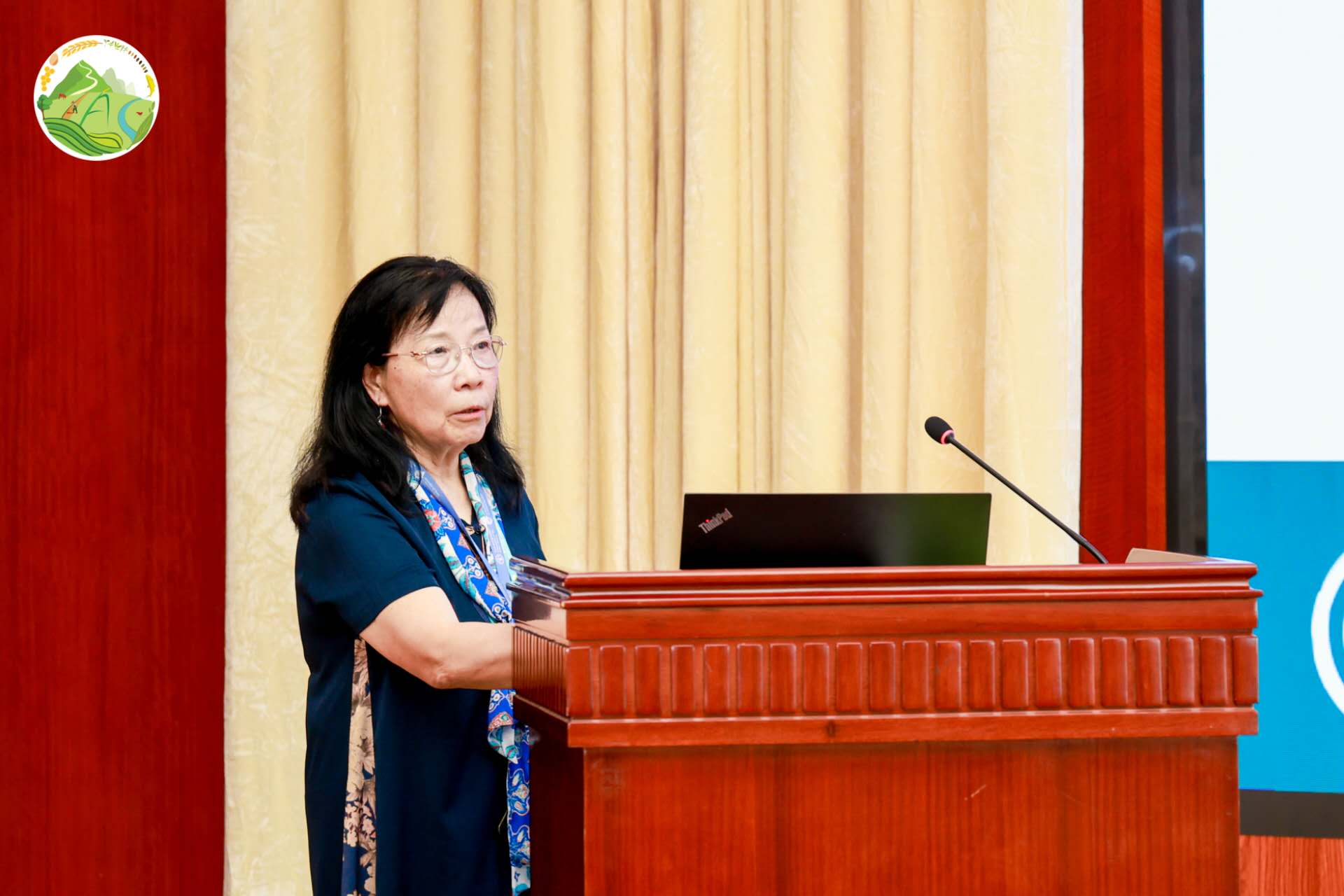
Following this, Song Yiching, founder of China’s Farmers’ Seed Network (FSN), gave an inspiring overview of community-based seed banks and their role in creating more resilient and diverse food systems in China. Her talk illustrated how grassroots efforts are empowering farmers to protect and reintroduce traditional varieties while ensuring seed sovereignty.
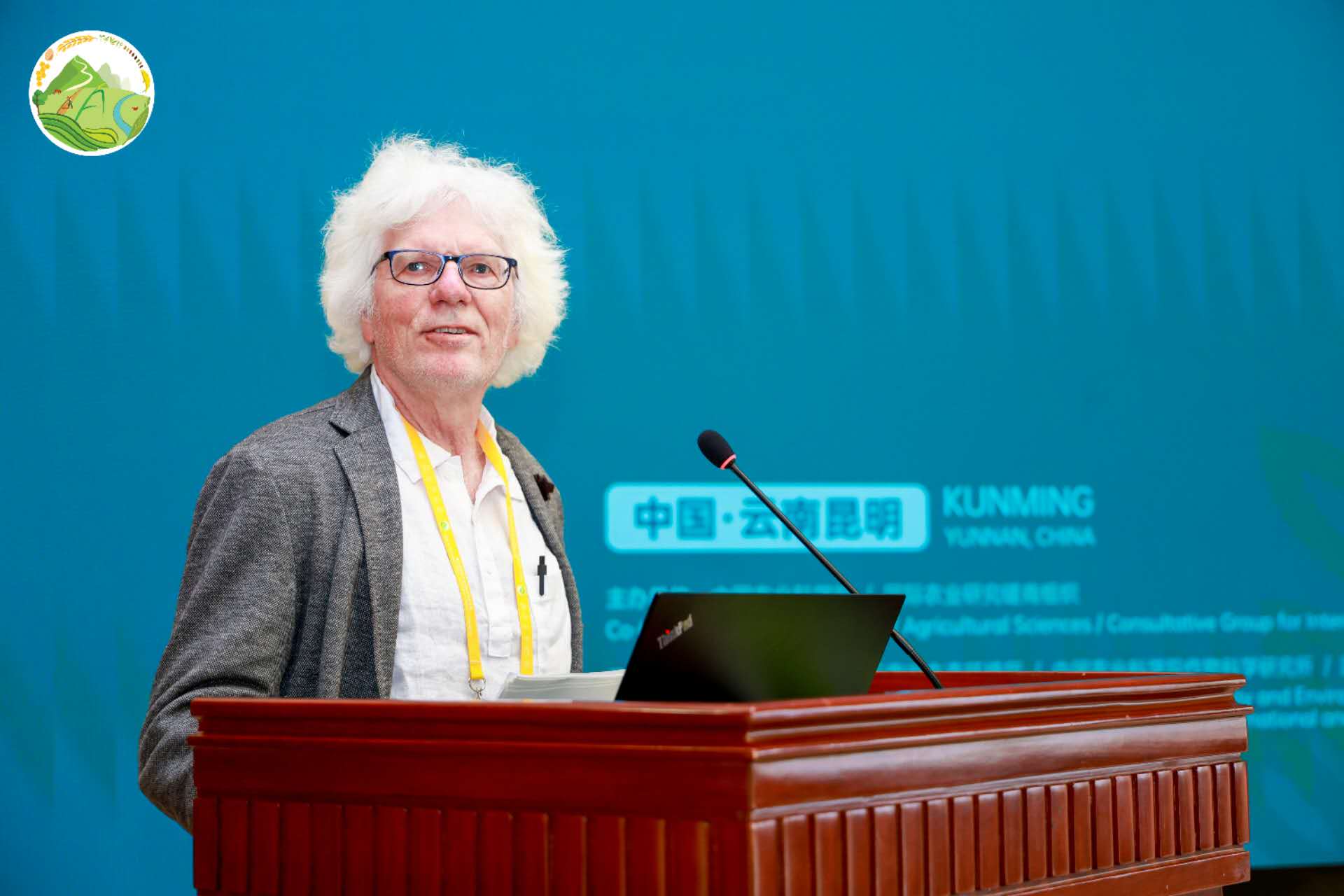
The final presentation was delivered by Rudolf Vögel, founder of Germany’s VERN (Association for the Conservation and Recultivation of Crops). He shared insights from a German farmer–processor network working with traditional and hybrid rye varieties, including the North German “Champagne Rye.” His presentation explored how these varieties are cultivated and integrated into local value chains—spanning breeding, milling, and baking—demonstrating their climate benefits and contribution to rural livelihoods.
Rudolf Voegel, VERN
Song Yiching, Farmers' Seed Network
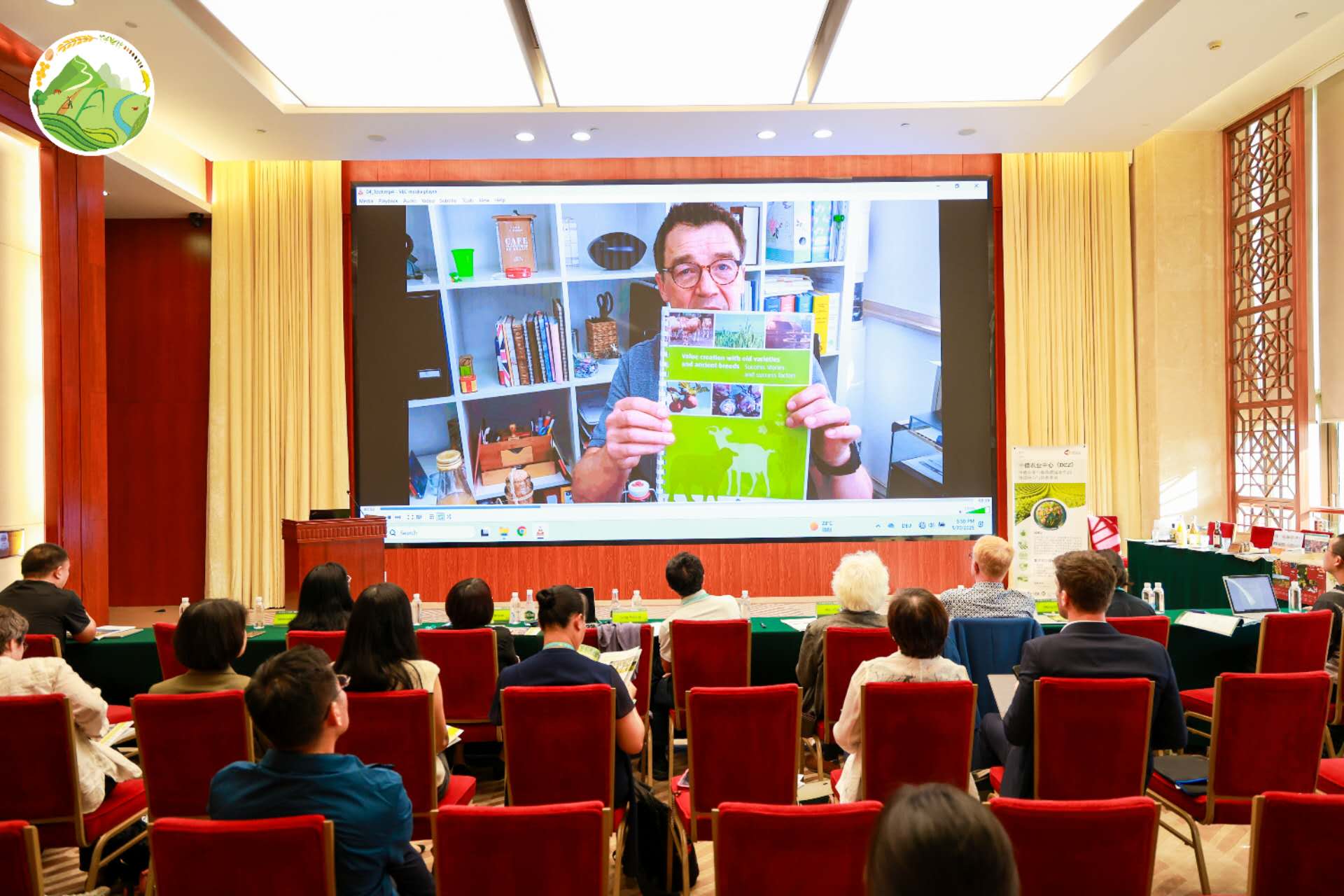
A video contribution by Arno Todt of the nova-Institute complemented the presentations with practical examples of how old crop varieties can be reintegrated into regional value chains in Germany. His video demonstrated how food producers and entrepreneurs are creating added value by reintroducing traditional grains into the market—enhancing both biodiversity and rural development.
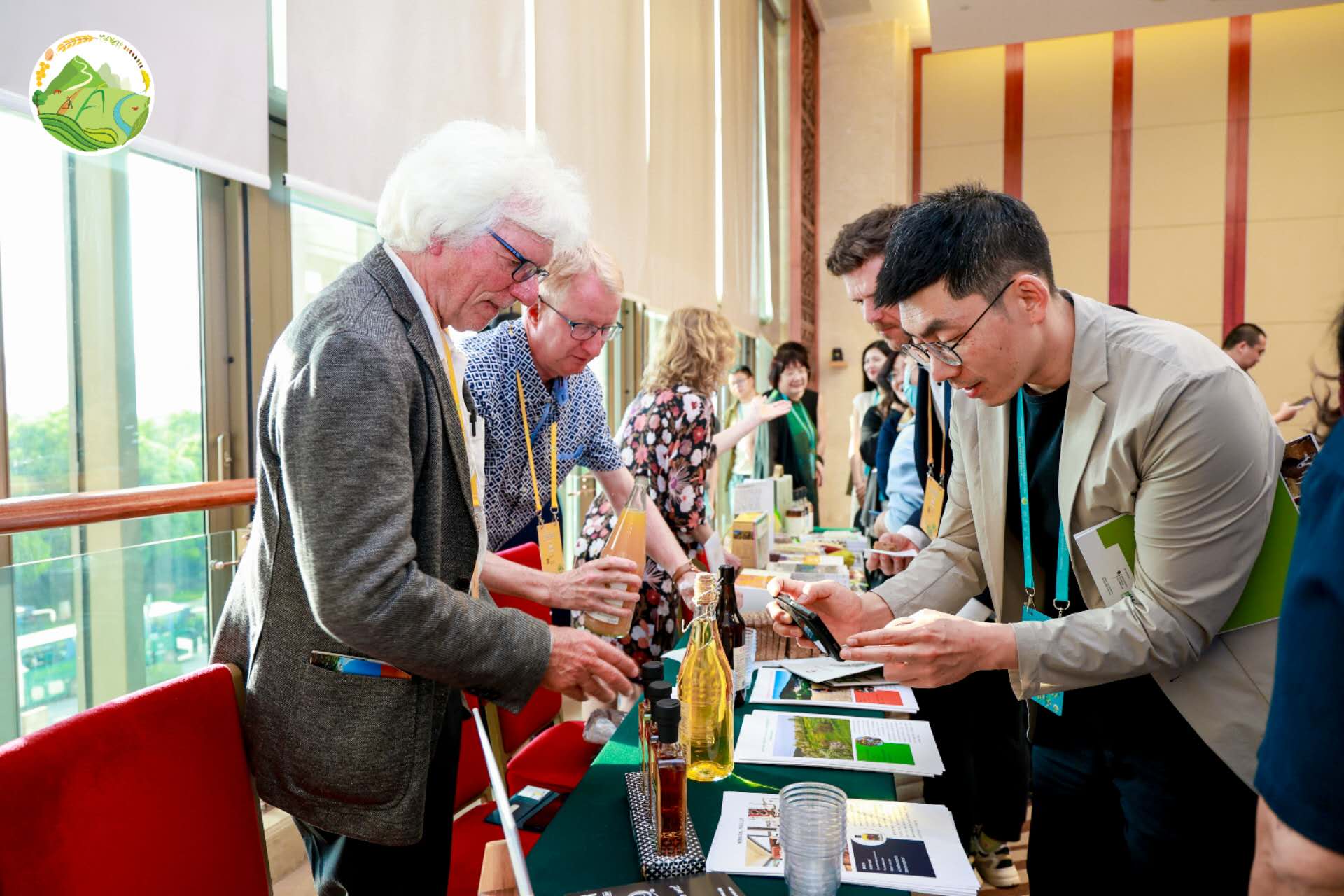
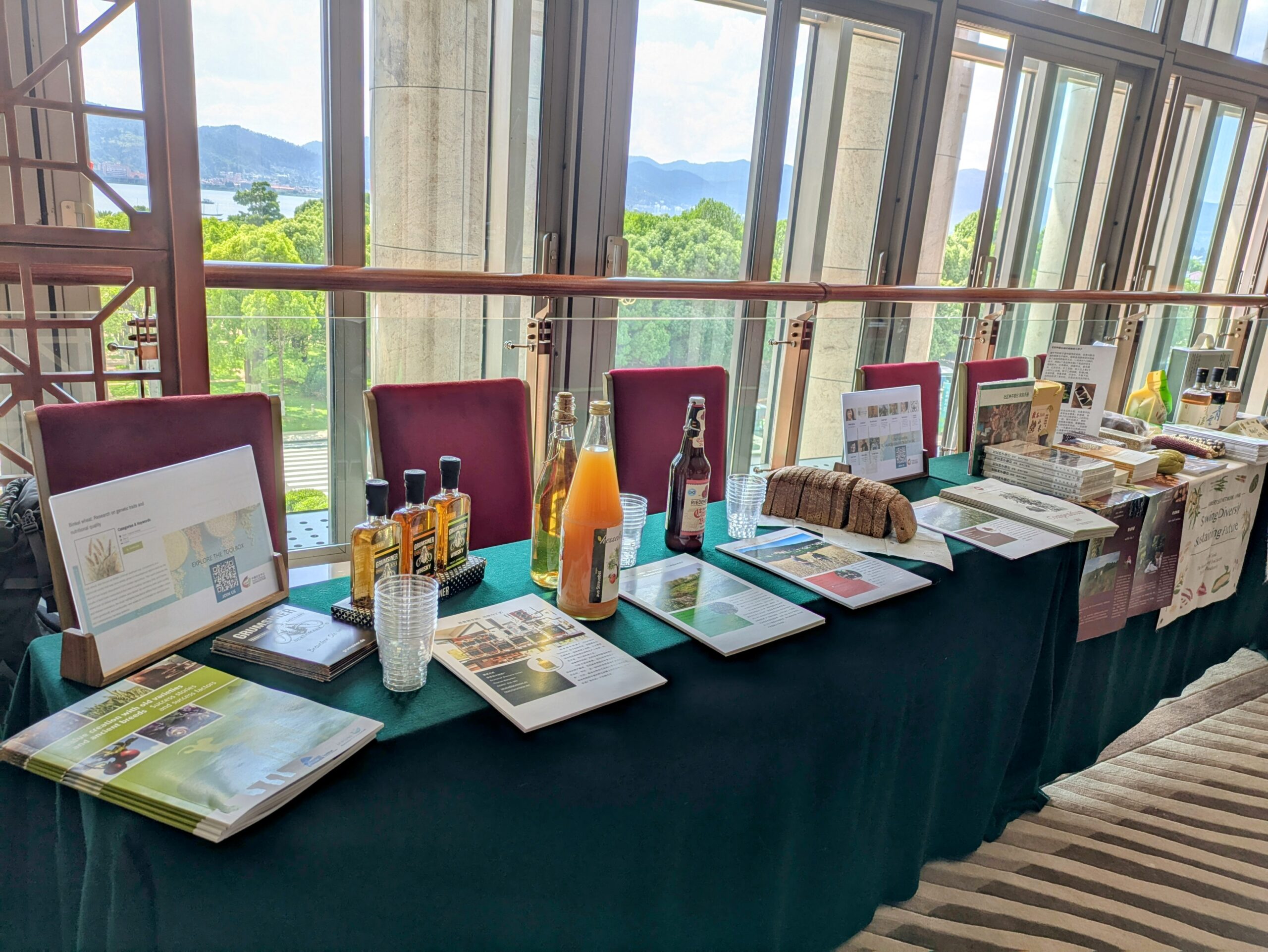
To conclude the session, participants were invited to a tasting and product display, featuring German and Chinese foods made from traditional varieties. These included Champagne rye bread and rice wine brewed from heritage grains. Each product was accompanied by a short story about its origin and value chain, emphasizing the economic and cultural potential of agrobiodiversity.