Resources
The Arche-School project: Fostering knowledge about endangered livestock breeds
The Arche-School project connects students with the valuable work of farmers who preserve old livestock breeds.

The Arche-School project connects students with the valuable work of farmers who preserve old livestock breeds.
The Alb-Leisa is an old lentil variety cultivated by the Öko-Erzeugergemeinschaft Alb-Leisa, a cooperative in the Swabian Alb region. Known for its exceptional quality and rich flavor, this heirloom lentil has been traditionally grown in the region for centuries.
Das Genbänkle is a network focused on preserving and promoting the diversity of heirloom crop varieties in Baden-Württemberg.
This case study focuses on the EUREGIO-supported project to revitalize the ancient grain Binkel wheat, historically grown in the Alpine and Pre-Alpine regions.
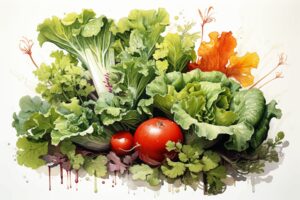
This case study highlights efforts in Berlin-Brandenburg to preserve and market old vegetable varieties through collaboration between organic farms, universities, and the VERN association.
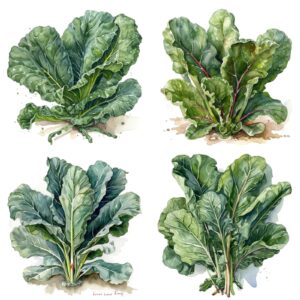
This case study highlights how the “Lippische Palme,” a traditional kale variety from Germany’s Lippe region, is being preserved and revitalized through the efforts of a local organic farmer.
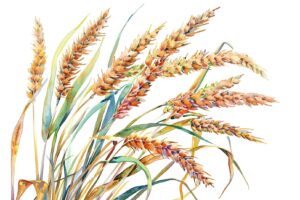
This case study highlights how a local bakery in southern Germany collaborates with farmers and scientists to revive Swabian Squarehead Wheat, an endangered traditional crop.
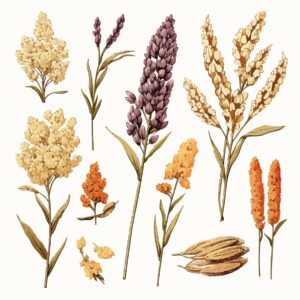
The website from ProSpecieRara focuses on seed policy and the conservation of plant genetic resources in Switzerland. Resources include guidelines for seed conservation, educational materials on local plant varieties, and efforts to influence agricultural policies to safeguard seed diversity.
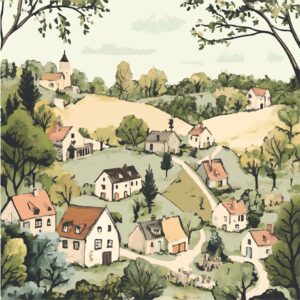
The Region 4.0 website provides resources on regional value creation, infrastructure development, and sustainable agricultural practices in rural Germany.
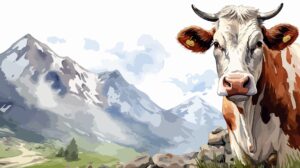
This report includes case studies from five genetically diverse landscapes in Europe and beyond, showcasing practical management approaches and the dependencies between domains.